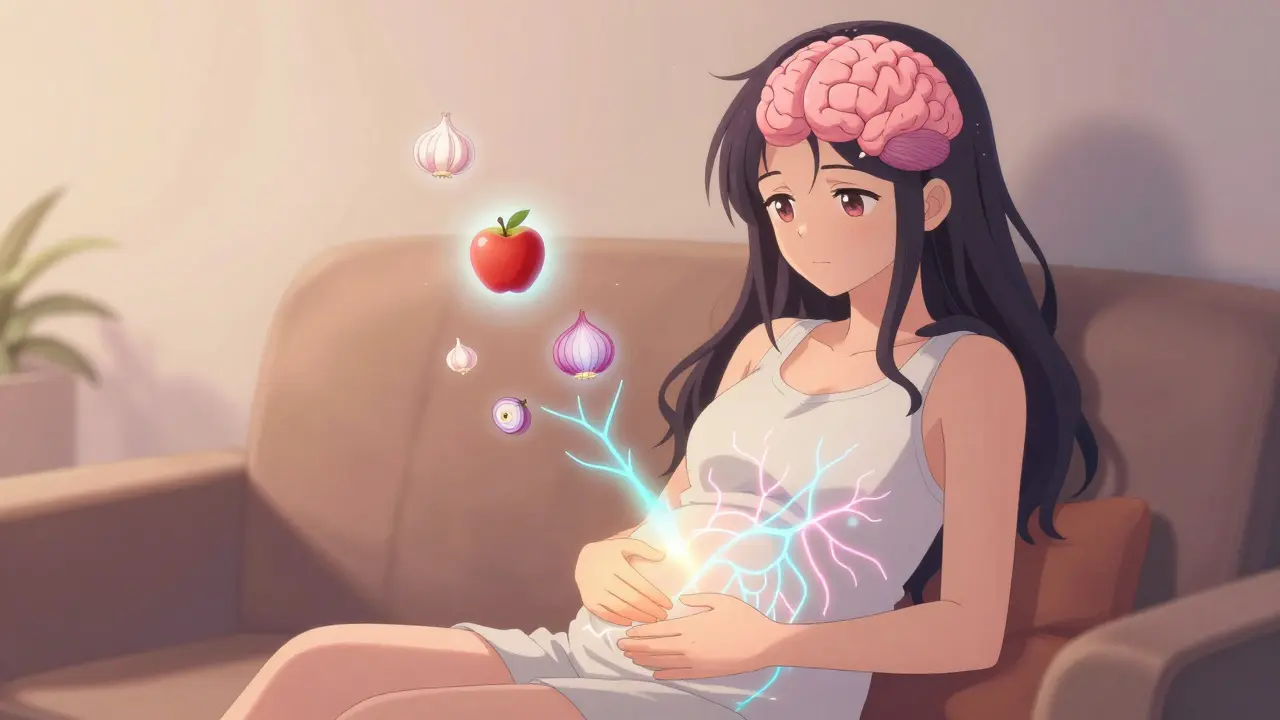
For millions of people around the world, stomach pain, bloating, and erratic bowel habits aren’t just inconvenient-they’re life-limiting. If you’ve been told your symptoms are "just stress" or that your gut is "sensitive," you’re not alone. But here’s the truth: irritable bowel syndrome isn’t a mystery. It’s a real, measurable disorder rooted in how your gut and brain talk to each other. And understanding that connection is the key to real relief.
What Really Causes IBS?
For decades, doctors treated IBS like a simple bowel problem-too much gas, too-fast contractions, or too-slow digestion. But research since 2016 has shifted everything. The Rome IV criteria now define IBS by recurrent abdominal pain, at least one day a week for three months, linked to bowel changes. But that’s just the surface. Behind those symptoms is a broken conversation between your gut and your brain.
This conversation happens through the gut-brain axis-a complex network connecting your intestines to your nervous system, hormones, and immune cells. It’s not just nerves firing. It’s your gut microbes sending chemical signals, your stress hormones altering digestion, and your brain misreading normal gut sensations as pain. Brain scans show people with IBS have physical differences: more gray matter in areas that process threat and less in regions that control emotions. That’s not in your head-it’s in your brain.
And it’s not random. People with diarrhea-predominant IBS (IBS-D) show thicker brain areas linked to sensing bodily signals, while those with constipation-predominant IBS (IBS-C) have thinner regions tied to emotional regulation. These aren’t just correlations-they’re patterns that explain why two people with the same diagnosis feel completely different things.
The Serotonin Puzzle
Most people know serotonin as a mood chemical. Few realize that 95% of your body’s serotonin is made in your gut-not your brain. Enterochromaffin cells in your intestinal lining produce it to control movement, secretion, and pain signals. In IBS-D, these cells pump out too much serotonin-45.7 ng/mg protein on average, compared to 28.4 in healthy people. That speeds up digestion, causes watery stools, and cramps. In IBS-C, the opposite happens: not enough serotonin, leading to sluggish bowels and bloating.
That’s why drugs like alosetron (for IBS-D) and prucalopride (for IBS-C) work. They don’t just mask symptoms-they fix the serotonin imbalance. But they’re not perfect. Alosetron carries a rare risk of serious colon damage, so it’s only used when other treatments fail. Prucalopride is safer but still causes headaches and nausea in some. And neither works for everyone.
Microbes Matter More Than You Think
Your gut is home to trillions of bacteria. In healthy people, Firmicutes and Bacteroidetes live in balance. In IBS, that balance is off. Studies show lower diversity and altered ratios in people with IBS. But it’s not just about which bacteria are present-it’s what they produce. Fermented foods, fiber, and even stress change how these microbes behave. When they break down certain carbs (FODMAPs), they create gas, pull water into the gut, and stretch the intestinal wall. That stretch triggers pain signals in a hypersensitive nervous system.
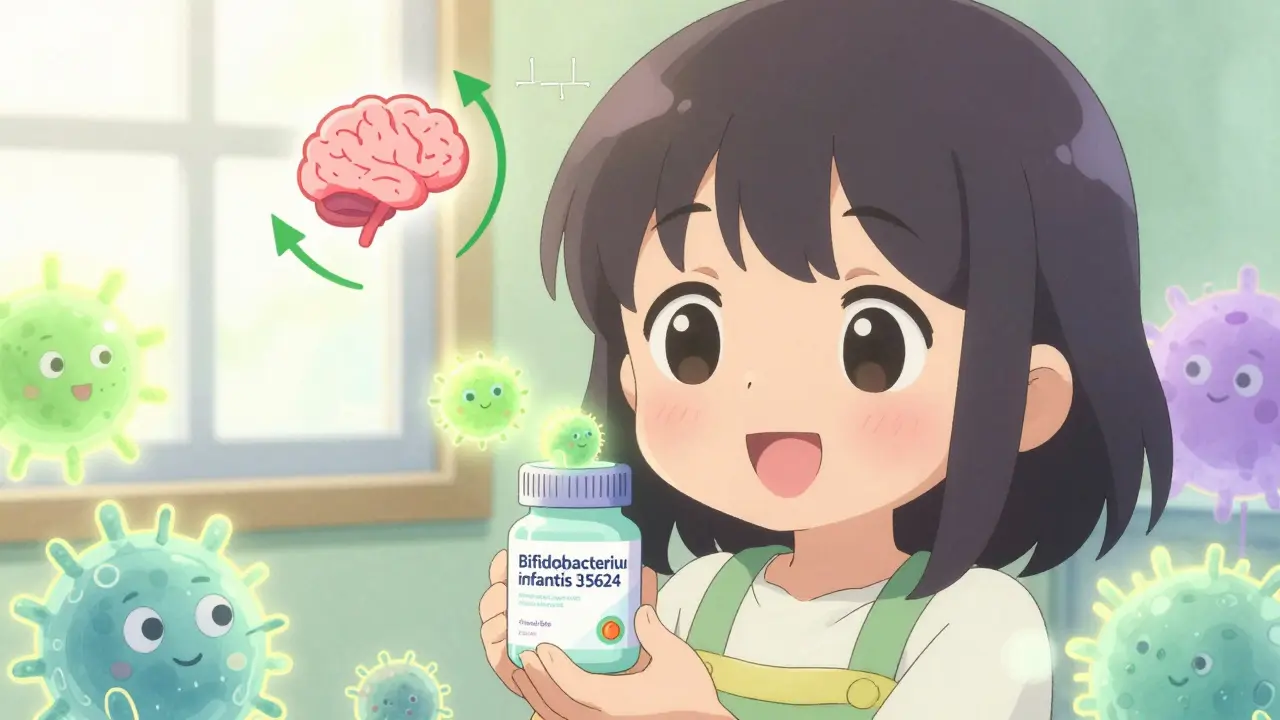
Probiotics help, but not all of them. Only specific strains have proven results. Bifidobacterium infantis 35624, taken daily at one billion colony-forming units, improved global IBS symptoms in 30-40% of users-twice as effective as placebo. Fecal microbiota transplants (FMT) show promise too, but results vary wildly depending on the donor. Some people get dramatic relief. Others see nothing. Why? Because the gut-brain axis isn’t one-size-fits-all.
Diet Isn’t Just About Food
The low-FODMAP diet is the most studied dietary intervention for IBS. In clinical trials, 50-76% of people see significant improvement. But here’s what no one tells you: it’s not a lifelong diet. It’s a three-step process: elimination, reintroduction, and personalization. You remove high-FODMAP foods like onions, garlic, wheat, apples, and beans for 4-6 weeks. Then you slowly add them back, one at a time, to find your triggers.
It’s hard. Really hard. Sixty-five percent of people say the elimination phase is too restrictive. Social meals become stressful. Grocery shopping turns into a science project. But for many, it’s the only thing that works. And it’s not magic-it’s science. FODMAPs ferment quickly, draw water into the gut, and inflate the intestines. In a normal gut, that’s fine. In an IBS gut, it’s a pain signal.
And here’s the kicker: people who understand why the diet works stick to it longer. A 2022 survey found that those who learned about the gut-brain axis had 30% better adherence and 25% greater symptom improvement. Knowledge isn’t just power-it’s healing.
Therapy That Talks to Your Brain
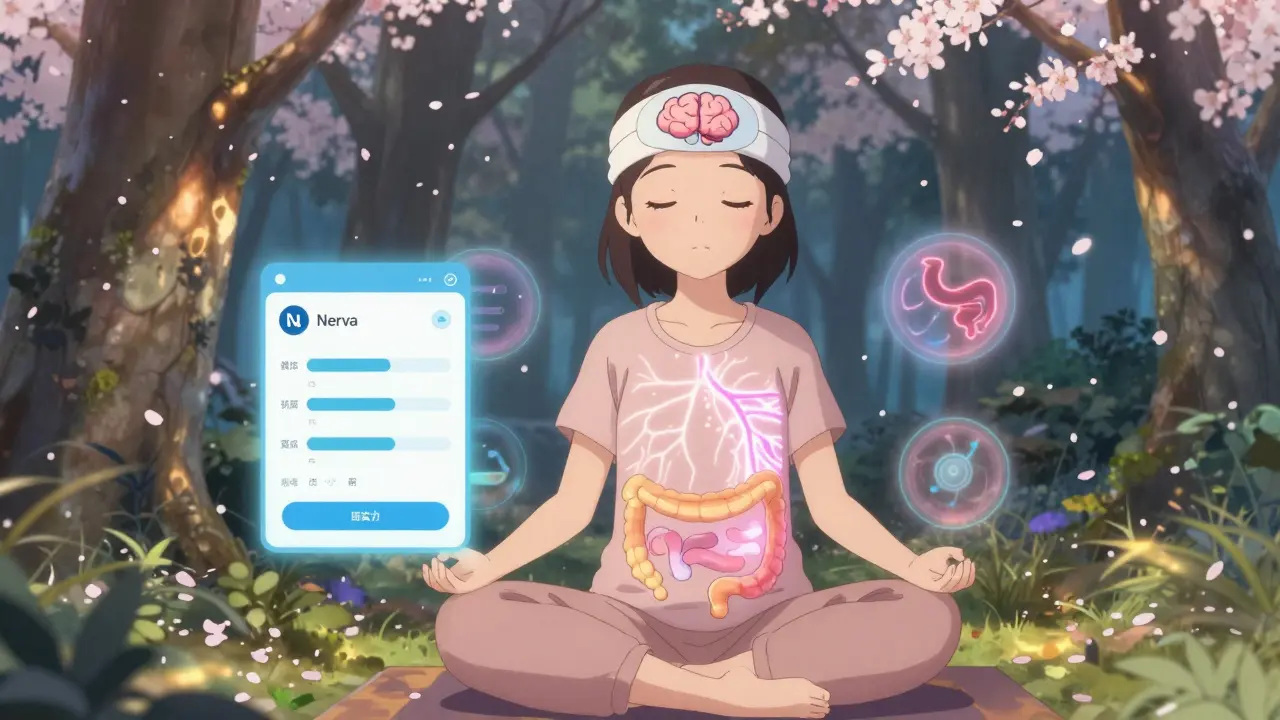
What if you could train your brain to stop overreacting to your gut? That’s what gut-directed hypnotherapy does. It’s not stage hypnosis. It’s a structured, evidence-based therapy where a trained therapist guides you through calming visualizations that rewire how your brain processes gut signals. In randomized trials, 70-80% of people report major symptom improvement-far better than standard medication. And the effects last. Six months later, most still feel better.
The catch? There aren’t enough providers. In rural areas, you might find one certified therapist for every 500,000 people. Sessions cost $1,200-$2,500 out-of-pocket. Insurance rarely covers it. But digital versions-apps like Nerva and The IBS Program-are becoming more common and affordable. They’re not perfect, but they’re better than nothing.
New Hope on the Horizon
Science is moving fast. In 2023, the first gut-brain axis biomarker panel, called VisceralSense™, launched. It measures 12 microbial metabolites and neurotransmitter ratios to predict which treatment will work for you-with 85% accuracy. Imagine getting a blood test that tells you whether you should try a low-FODMAP diet, hypnotherapy, or a new drug. That’s no longer science fiction.
Another breakthrough: etrasimod, a new pill targeting immune signaling in the gut-brain axis, showed 52% symptom improvement in IBS-D patients-nearly double the placebo response. It’s not approved yet, but phase III results are strong. And the NIH just launched a $15 million project to build personalized IBS treatment plans based on your unique gut-brain profile.
Why Most Treatments Fail
Doctors still treat IBS like a digestive glitch. They prescribe antispasmodics, laxatives, or loperamide. But these drugs don’t touch the root cause. In fact, 63% of people report bad side effects from them. Nearly half quit within three months.
The real problem? The system isn’t built for brain-gut disorders. Gastroenterologists aren’t trained in psychology. Psychologists don’t know gut biology. And patients get caught in the middle. The average person waits 3-7 years to get diagnosed. They see five or more doctors. They’re told it’s anxiety. Or they’re given a pill that doesn’t work. And they start to believe it’s all in their head.
It’s not.
IBS is a real, biological disorder. Your brain and gut are talking, but they’re speaking in broken code. The good news? We now know how to fix the language.
Where to Start
If you have IBS, here’s what to do next:
- Learn the gut-brain axis. Understand that your symptoms aren’t weakness-they’re biology.
- Try the low-FODMAP diet with a registered dietitian. Don’t do it alone.
- Consider gut-directed hypnotherapy. Look for certified providers or reputable apps.
- Ask your doctor about serotonin-targeting meds if diet and therapy aren’t enough.
- Track your symptoms. Note food, stress, sleep, and bowel patterns. Patterns reveal triggers.
There’s no magic cure. But there’s a path-and it starts with understanding that your gut and brain are one system. Treat them that way, and relief isn’t just possible. It’s predictable.
Is IBS just anxiety in the gut?
No. While stress and anxiety can worsen IBS symptoms, they don’t cause it. IBS is a real disorder of brain-gut communication, with measurable changes in gut nerves, brain structure, serotonin levels, and gut bacteria. People with IBS often have normal mental health. And many with anxiety don’t have IBS. The connection is biological, not psychological.
Can probiotics cure IBS?
No single probiotic cures IBS. But specific strains like Bifidobacterium infantis 35624 have been shown to reduce bloating, pain, and bowel irregularity in 30-40% of users. Most over-the-counter probiotics don’t contain these strains or aren’t dosed correctly. Always check the strain name and CFU count on the label.
Why does the low-FODMAP diet work if I’m not allergic to these foods?
You’re not allergic-you’re sensitive. FODMAPs aren’t harmful. But in IBS, your gut is hypersensitive. These carbs ferment quickly, draw water into the intestine, and stretch the bowel wall. That stretch triggers pain signals in your overreactive nervous system. It’s not about food poisoning-it’s about signal overload.
Are medications like loperamide safe for long-term IBS use?
Loperamide (Imodium) is safe for occasional use to control diarrhea. But it doesn’t fix the root problem. Long-term use can mask symptoms without improving gut-brain communication. It also doesn’t help with bloating or pain. For chronic IBS-D, serotonin-targeting drugs like alosetron are more effective-but only under doctor supervision due to rare side effects.
How long until I see results from gut-directed hypnotherapy?
Most people start noticing changes after 4-6 sessions. Full benefits usually appear after 7-12 sessions. Unlike meds, the effects last. Studies show 70-80% of people still feel better six months later. It’s not instant, but it’s lasting. And it doesn’t require daily pills or strict diets.
What’s Next?
The future of IBS care is personal. Instead of guessing what works, doctors will soon use biomarkers to match you with the right treatment-diet, drug, or therapy-based on your unique gut-brain profile. Clinical trials are already testing this approach. In five years, IBS may no longer be a diagnosis of exclusion. It could be a condition with clear subtypes and targeted solutions.
Until then, focus on what works now: learn the science, find the right tools, and don’t let anyone tell you it’s all in your head. Your gut and brain are connected. And when you treat them as one, relief follows.
Comments (8)
Lauren Wall
January 22, 2026 AT 17:13
Finally someone gets it. IBS isn't 'stress'-it's biology. I've been told to 'just relax' for years. My gut doesn't care about my yoga routine.
Philip House
January 23, 2026 AT 05:03
Look, I’ve read the studies. The gut-brain axis is real, but most of this ‘personalized medicine’ nonsense is just pharma trying to sell you a $500 blood test. We’ve had FODMAPs since the 90s. Why are we reinventing the wheel? America’s healthcare system turns everything into a subscription service.
Mike P
January 23, 2026 AT 22:21
Yo, IBS-D for life here. Alosetron saved me but I had to fight my insurance for 8 months. They called it 'rare risk' like it's some exotic disease. Bro, 45% of us with IBS-D have serotonin issues-this isn't a glitch, it's a damn neurological wiring problem. And yeah, the low-FODMAP diet is a nightmare-I stopped eating at restaurants for a year. But guess what? I can now go to a BBQ without sweating through my shirt. Worth it. Also, Nerva app is garbage. Try the one by the University of North Carolina. Real science, not AI fluff.
Jasmine Bryant
January 25, 2026 AT 19:02
Just wanted to add-Bifidobacterium infantis 35624 is the only probiotic that actually worked for me. I tried like 12 others. The label has to say exactly that strain and 1 billion CFU. Also, if you're doing the low-FODMAP diet, don't skip the reintroduction phase. I did and ended up avoiding 80% of foods. Turned into a walking anxiety spiral. Took me 6 months to fix it with a dietitian. Seriously, don't go it alone.
Margaret Khaemba
January 25, 2026 AT 20:22
As someone from Kenya who moved to the US and developed IBS after the move-I think this is huge. Our gut microbes adapt to food, stress, even water. I used to eat ugali and sukuma wiki every day. Then I got here, ate processed stuff, and boom-bloating city. The microbiome shift is real. I started eating fermented papaya and kefir (yes, it’s a thing here) and my symptoms dropped 60%. Not magic. Just biology. Also, gut hypnotherapy? I did it via Zoom with a UK therapist. Changed my life. No pills. No diets. Just my brain learning to chill.
Malik Ronquillo
January 25, 2026 AT 22:19
So basically the whole medical system is broken and we’re all just guinea pigs for Big Pharma and overpriced apps? Cool. I’m just gonna eat bananas and hope for the best. 🤷♂️
Brenda King
January 27, 2026 AT 06:42
I’ve been doing gut-directed hypnotherapy for 8 weeks now and my pain is down 80%. I didn’t believe it at first but the science is solid. I’m not a fan of pills and I hate restrictive diets. This felt like therapy for my insides. Also, if you’re thinking about it-don’t wait. The longer you wait, the more your nervous system learns to scream at normal signals. It’s like training your brain to be scared of its own body. Nerva app is decent if you can’t find a therapist. I use it on my lunch break. 😊
Keith Helm
January 28, 2026 AT 19:56
It is imperative that patients understand the neurophysiological underpinnings of IBS prior to initiating any therapeutic intervention. The gut-brain axis constitutes a bidirectional communication pathway mediated by vagal afferents, enteroendocrine signaling, and microbial metabolites. Failure to recognize this multilayered paradigm results in suboptimal clinical outcomes. Recommend referral to a neurogastroenterologist prior to dietary modification.