Licorice Medication Interaction Risk Calculator
How Much Licorice Are You Eating?
Medications You're Taking
Health Status
Your Personal Risk Assessment
That black licorice candy you grab without thinking? It might be quietly messing with your blood pressure, your potassium levels, and even the pills you take every day. Most people assume it’s just a sweet treat - but if you’re on medication, especially for heart, kidney, or hormone issues, that candy could be hiding a serious risk.
What’s Really in Licorice?
Not all licorice is the same. The real kind comes from the root of Glycyrrhiza glabra, a plant used for thousands of years in traditional medicine. What makes it dangerous isn’t the sugar - it’s glycyrrhizin, a compound that mimics the effects of the hormone aldosterone. This causes your body to hold onto sodium and flush out potassium, leading to fluid retention, high blood pressure, and muscle weakness.
Traditional black licorice candy usually contains 0.5% to 2% glycyrrhizin. That means eating just 50 grams a day - about two small bags - could push you over the European Food Safety Authority’s safe limit of 100 mg per day. Herbal supplements? Those can contain up to 24% glycyrrhizin. One study found a man who ate 200 grams of licorice daily for three weeks ended up with blood pressure of 210/120 and potassium levels so low (2.6 mmol/L) he needed emergency treatment.
And here’s the twist: a lot of candy labeled "licorice" isn’t licorice at all. It’s flavored with anise oil, which has zero glycyrrhizin. So if you’re avoiding the risk, check the ingredients. If it says "anise," you’re probably safe. If it says "licorice extract" or "glycyrrhiza," you’re not.
How Licorice Interacts With Common Medications
It’s not just about eating too much. The real danger kicks in when licorice meets certain drugs. Here’s what you need to watch for:
- Diuretics (water pills) like hydrochlorothiazide or furosemide: These already make you lose potassium. Add licorice, and your levels can crash dangerously low - below 3.0 mmol/L. That’s when you get muscle cramps, irregular heartbeat, or even paralysis.
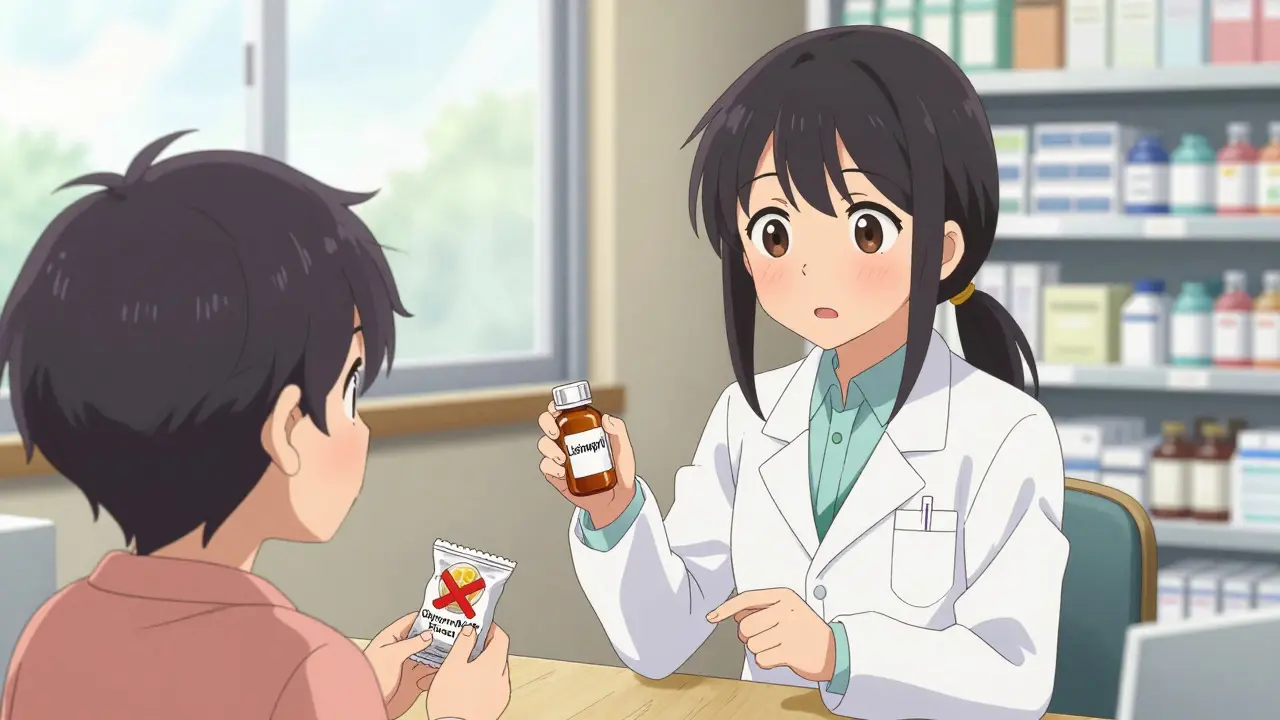
- High blood pressure meds like lisinopril or losartan: Licorice fights against them. One Reddit user reported his BP jumped from 120/80 to 165/95 after eating 30 grams of licorice daily for just three days. He was on lisinopril - and the licorice canceled out the benefit.
- Heart meds like digoxin: Low potassium from licorice makes digoxin way more toxic. A 2002 case report showed a patient developed digoxin poisoning after eating licorice, with potassium dropping to 2.8 mmol/L.
- Warfarin and other blood thinners: Some studies suggest licorice can make warfarin work too well, raising your risk of bleeding. Others show the opposite - it can reduce warfarin’s effect. Either way, your INR can swing unpredictably. If you’re on blood thinners, don’t start or stop licorice without checking your levels.
- Corticosteroids like prednisone or fludrocortisone: These already cause fluid retention and low potassium. Add licorice, and the effects multiply. One patient on fludrocortisone for years developed panic attacks and blood pressure over 200/110 after eating licorice - even though his steroid dose hadn’t changed.
The problem? These aren’t rare cases. The FDA recorded 147 licorice-related adverse events between 2010 and 2020. Nearly half involved high blood pressure. Almost a third involved dangerously low potassium.
What About DGL Licorice?
If you’ve heard that "DGL" licorice is safe, you’re partly right. Deglycyrrhizinated licorice (DGL) has had the glycyrrhizin removed - usually to less than 1%. It’s often used for stomach ulcers or heartburn because it still has anti-inflammatory properties without the hormone-like side effects.
But here’s the catch: not all DGL products are created equal. Some still contain traces of glycyrrhizin. And if you’re taking it for a medical reason, make sure the label says "de-glycyrrhizinated" and lists the glycyrrhizin content. Don’t assume.
Who’s at Risk?
You don’t have to be a licorice junkie to run into trouble. Even moderate use can cause problems if you’re:
- Over 60
- Have high blood pressure, heart disease, or kidney problems
- Take diuretics, blood pressure meds, or corticosteroids
- Have low potassium levels already
Women are more likely to experience side effects than men, and people with liver issues may process glycyrrhizin slower, making them more sensitive. A 92-year-old woman in one case saw her INR drop suddenly after eating licorice while on phenprocoumon - a blood thinner. She didn’t even realize licorice was the cause.

What Should You Do?
If you’re on medication and like licorice, here’s what to do:
- Check your labels. Look for "glycyrrhiza" or "licorice extract." Avoid anything that doesn’t list glycyrrhizin content.
- Don’t eat more than 50 grams of black licorice per week. That’s about two small bags. If you’re on meds, aim for less - or skip it entirely.
- Choose DGL if you need licorice for health reasons. But confirm the glycyrrhizin content is under 1%.
- Monitor your blood pressure and potassium. If you’ve been eating licorice and start feeling weak, bloated, or your blood pressure spikes, get tested.
- Talk to your pharmacist. A 2021 study found only 37% of community pharmacists could list all the major licorice-drug interactions. Don’t assume they know - ask specifically about your meds.
The Bigger Picture
Here’s the scary part: 78% of black licorice products don’t disclose glycyrrhizin content. 92% don’t warn about drug interactions. The FDA still classifies licorice as "Generally Recognized As Safe," but that’s based on food use - not medicinal or long-term use with drugs.
Regulators are starting to catch up. The UK requires warning labels on products with over 100 mg glycyrrhizin per serving. Japan limits supplements to 100 mg per day. The European Commission is considering reclassifying high-glycyrrhizin licorice as a medicine - not candy.
Meanwhile, researchers are looking at genetic differences. Some people metabolize glycyrrhizin faster than others, based on their CYP2C9 and CYP2D6 genes. Clinical trials are underway to figure out personalized safe limits.
Until then, treat licorice like a medicine - not a snack. If you’re taking any of the medications listed here, skip it. Your body will thank you.
Can licorice candy raise my blood pressure even if I’m healthy?
Yes. Even healthy people can develop high blood pressure and low potassium after eating more than 100 mg of glycyrrhizin daily for two to four weeks. That’s about 50 grams of traditional black licorice. Symptoms include headaches, swelling in the ankles, and muscle cramps. If you notice these after eating licorice, stop and get checked.
Is red licorice safe to eat with medications?
Usually, yes. Most red licorice is flavored with anise, strawberry, or artificial flavors - not real licorice root. Check the ingredients. If it doesn’t list "glycyrrhiza" or "licorice extract," it’s unlikely to interact with your meds. But if it says "licorice flavor," it’s still probably safe - just avoid anything labeled "black licorice" if you’re unsure.
How long does it take for licorice to affect my meds?
It varies. Blood pressure and potassium changes can show up in as little as 3-7 days with daily use. In one case, a patient’s potassium dropped to 2.4 mmol/L after just three weeks of eating 200 grams of licorice daily. If you’ve recently started eating licorice and feel unusual symptoms - fatigue, heart palpitations, swelling - it could be related.
Can I eat licorice if I’m on birth control?
There’s no strong evidence that licorice directly affects hormonal birth control. But it can raise blood pressure - and birth control pills already carry a small risk of hypertension. If you’re on birth control and have high blood pressure, or are over 35 and smoke, it’s best to avoid licorice. Always check with your doctor if you’re unsure.
What should I do if I’ve been eating licorice and now feel unwell?
Stop eating licorice immediately. If you have symptoms like muscle weakness, irregular heartbeat, severe headache, or swelling in your legs, see a doctor right away. Get your blood pressure and potassium levels checked. These effects can be reversed if caught early - but if ignored, they can lead to serious heart rhythm problems or kidney damage.
Comments (9)
LALITA KUDIYA
January 7, 2026 AT 03:29
I ate black licorice every day for a month and never knew it could mess with my meds 😳 My BP spiked and I thought it was stress. Turns out it was the candy. Never again. 🙈
Anthony Capunong
January 8, 2026 AT 02:42
This is why America needs to ban this crap. Other countries warn you, we just let people die. If you're not from the US you don't even know how lazy our FDA is. #MakeLicoriceIllegal
Vince Nairn
January 8, 2026 AT 17:16
So let me get this straight... you're telling me the one thing that actually tastes good in this world is secretly a silent killer? And I thought my mom was just being dramatic when she said 'don't eat that black stuff'. 😏 Also DGL? Sounds like a new crypto coin. 'Buy DGL, it's the future of ulcer relief.'
Ayodeji Williams
January 9, 2026 AT 09:15
LMAO why y'all actin like licorice be the devil? I be eatin it with my blood pressure pills and I still run 5K every morning 🤡 My grandma in Lagos eats whole bags and still dance at weddings. Y'all overthinkin everything. 🍬🔥
Emma Addison Thomas
January 9, 2026 AT 16:55
I remember my grandfather in Cornwall used to chew licorice root like it was gum. Said it settled his stomach. He lived to 94. I think context matters more than fear-mongering. Still, I check labels now. Better safe than sorry.
Mina Murray
January 11, 2026 AT 10:46
This is all a scam. The pharmaceutical industry paid the FDA to scare people away from natural remedies so they can sell more drugs. Licorice has been used for 5000 years. You think a 2021 study from a university funded by Big Pharma is more reliable? 🤔 Also, 'glycyrrhizin' is just a fancy word for 'plant juice'. You're scared of words now? Grow up.
Christine Joy Chicano
January 11, 2026 AT 11:34
The real tragedy isn't licorice-it's that we treat food like it's either poison or medicine. It's neither. It's context. A 70-year-old on lisinopril? Avoid it. A 25-year-old healthy runner eating 20g once a week? Probably fine. The problem is blanket warnings. We've lost nuance. Also, 'anise-flavored' red licorice is basically candy candy. No need to overthink it. Unless you're allergic to anise. Then... yeah, skip it.
Adam Gainski
January 12, 2026 AT 06:16
I'm a pharmacist and I can confirm: most people have no idea what's in their candy. I've had patients come in with potassium levels of 2.1 and swear they 'only had a couple pieces'. The key is awareness, not fear. If you're on meds, check the label. If you're unsure, ask. Pharmacists aren't just here to hand out pills-we're here to stop you from accidentally poisoning yourself with candy. And yes, DGL is legit safe if it's properly labeled. Just don't assume.
Anastasia Novak
January 13, 2026 AT 10:22
I'm not even mad. I'm impressed. Someone actually wrote a 2000-word essay on licorice like it's the plot of a Netflix thriller. 'The Candy That Killed My INR.' I'm just glad I never liked black licorice. It tastes like regret and old socks. Red licorice? That's just candy. The rest? That's a corporate marketing ploy wrapped in a lab coat. Also, I'm still not taking my blood pressure meds. But I'm not eating licorice either. So... we're even?