Starting a new medication can feel overwhelming. You’re handed a prescription, told how many pills to take, and sent on your way. But what if you don’t fully understand why you’re taking it? What if you don’t know what to expect - or worse, what to watch out for? Too many people skip asking questions because they’re afraid of sounding silly, running out of time, or upsetting their doctor. But here’s the truth: asking the right questions isn’t just helpful - it can save your life.
What is this medicine, and why am I taking it?
Start with the basics. Don’t assume your doctor knows you remember the name they said. Ask for both the brand name and the generic name. For example, if you’re given Lipitor, ask: "Is this the same as atorvastatin?" About 23% of medication errors happen because of name confusion - pills look alike, sounds are similar, and pharmacies sometimes substitute without telling you. Then ask: "What condition is this meant to treat?" Don’t settle for "your blood pressure" or "your depression." Be specific. Is it lowering your systolic number? Reducing inflammation in your joints? Balancing serotonin levels? Knowing exactly what the drug is supposed to do helps you recognize if it’s working - or if something’s wrong.How and when should I take it?
This is where most people get it wrong. "Take one daily" isn’t enough. You need details:- Should I take it with food or on an empty stomach?
- Is it best in the morning or at night?
- Do I swallow it whole, or can I crush it?
- What’s the exact dose? (Not "one pill" - what milligram is it?)
- How long should I keep taking it? Is this a 10-day course or something I’ll be on for years?
How will I know if it’s working?
Many people stop taking meds because they don’t feel different right away. But not all drugs work instantly. Antidepressants can take 4-6 weeks. Blood pressure meds may show changes after 2-3 weeks. Antibiotics might make you feel better in days, but you still need to finish the full course. Ask: "When should I start noticing improvement?" and "What signs tell me it’s working?" For diabetes, maybe your fasting sugar drops below 130. For anxiety, maybe you sleep through the night. Having clear benchmarks prevents you from giving up too soon - or ignoring warning signs.What side effects should I expect?
Side effects scare people. But not all side effects are bad. Some are temporary. Others are serious. Ask: "Which side effects are common and usually go away after a few days?" For example, nausea from antibiotics often fades after 3-4 days. Then ask: "Which side effects mean I should call you right away?" Things like swelling, trouble breathing, chest pain, severe dizziness, or unusual bleeding need immediate attention. A 2023 review in the BMJ found that nearly 28% of hospital admissions are caused by bad reactions to medications. Many of these could have been avoided if patients knew what to watch for. Don’t assume every weird feeling is normal. Track what happens. Write it down. Bring it to your next visit.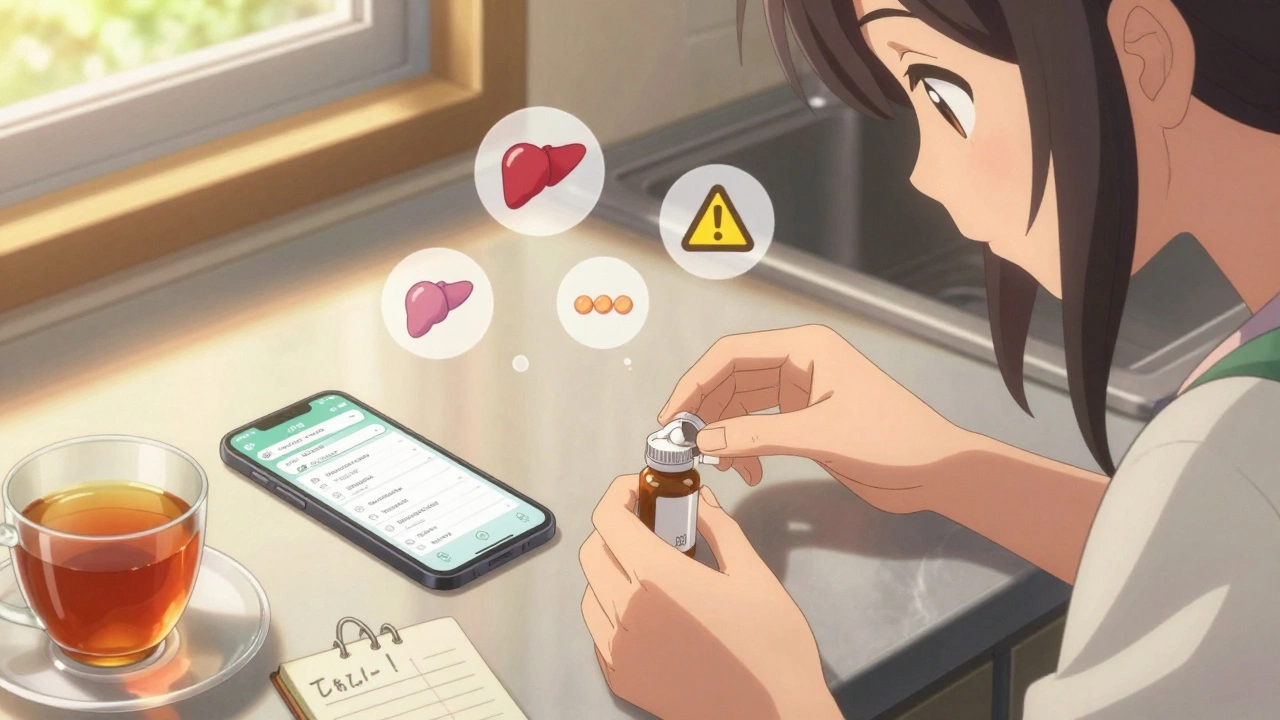
Will this interact with anything else I’m taking?
This is critical. Most people don’t realize how many things can clash with a new drug. You’re probably taking more than one medication - maybe blood pressure pills, a vitamin, a sleep aid, or even turmeric supplements. Over-the-counter painkillers like ibuprofen can interfere with heart meds. Grapefruit juice can make some cholesterol drugs dangerously strong. Alcohol can multiply drowsiness from antidepressants or painkillers. Bring a list of everything you take - including supplements, herbs, and occasional pain relievers. Ask: "Does this interact with any of these?" A 2022 study showed that patients who brought a full list reduced interaction risks by 63%. Don’t rely on memory. Show the list. Take a photo of your pill bottles if you need to.Are there other options?
Doctors choose one drug for many reasons - cost, habit, insurance coverage. But that doesn’t mean it’s the only option. Ask: "Why this one instead of another?" There might be a cheaper generic. A drug with fewer side effects. One that doesn’t interfere with your other meds. If you have chronic conditions like depression, bipolar disorder, or chronic pain, ask about pharmacogenetic testing. This is a simple saliva test that shows how your body processes certain drugs. Studies show it can predict 60-80% of how you’ll respond to a medication. It’s not available everywhere yet, but it’s growing fast. If your doctor hasn’t mentioned it, ask.What if this doesn’t work?
Not every drug works for every person. That’s normal. But too many people suffer in silence, thinking they just have to "tough it out." Ask: "What’s the plan if this doesn’t help?" Should you wait 6 weeks and then come back? Will you switch to a different drug? Will we try a higher dose? Knowing the next steps takes the guesswork out of the process. It also helps you stay engaged instead of feeling powerless.
How much will this cost?
Cost is a silent killer. One in four people skip or cut doses because they can’t afford their meds. Don’t be embarrassed to ask. Say: "Is there a lower-cost version?" or "Can we check if my insurance covers this?" Many pharmacies offer $4 generic lists. Some drugmakers have patient assistance programs. Your pharmacist can help you find them. If you’re on Medicare or Medicaid, ask about formulary tiers. A 2023 survey found that 72% of health plans now require doctors to discuss cost alternatives - so you have the right to ask.When should I come back?
Don’t wait until you feel worse. Ask: "When should I schedule a follow-up?" Some meds need a check-in in 2 weeks. Others, like thyroid drugs, need blood tests every 6-8 weeks. If your doctor doesn’t schedule one, ask for it. Write the date in your phone. Set a reminder. A 2022 study showed that 47% of patients don’t schedule necessary follow-ups. That’s risky. You might miss signs of side effects, or the drug might need adjusting. Follow-up isn’t optional - it’s part of the treatment.Can I get this in writing?
Verbal instructions fade fast. Research shows people forget half of what they’re told within one hour. Write down answers. Ask your doctor or pharmacist for printed materials. Many clinics now give out medication guides with pictures and simple language. If you’re using a smartphone, take photos of your prescription label and your notes. Use a free app like MyTherapy or Hero Health to track doses and side effects. These tools help you stay on track and give your doctor better info at your next visit.What if I feel rushed?
Most doctor visits last less than 16 minutes. You might feel like you’re bothering them. But remember: this is your health. If your doctor seems impatient, say: "I want to make sure I understand this correctly. Can we go over the key points one more time?" If you’re still feeling dismissed, consider asking for a pharmacist consult. Many clinics now have pharmacists on staff just to review medications with patients. Or ask for a nurse visit. You have the right to clear, calm, complete information.Starting a new medication isn’t just about taking a pill. It’s about understanding your body, your treatment, and your rights. The more you ask, the more control you have. And control means better outcomes - fewer side effects, fewer hospital visits, and more confidence in your care.
What if I forget to ask a question during my appointment?
It’s common to forget. Call your doctor’s office the next day or message them through their patient portal. Most clinics have nurses or pharmacists who can answer follow-up questions. You can also schedule a quick 10-minute phone consult. Don’t wait until something goes wrong.
Can I ask about natural alternatives instead of prescription drugs?
Yes - but be honest. Tell your doctor you’re interested in other options. Some herbs and supplements can help, but many interact dangerously with prescription meds. For example, St. John’s Wort can reduce the effect of birth control or antidepressants. Your doctor can help you weigh risks and benefits - but only if you bring it up.
Should I bring someone with me to the appointment?
Absolutely. One person listens, the other takes notes. Studies show having a second person improves recall by 40%. They can also ask questions you might not think of. If you’re nervous, bring a friend or family member - even if they’re not a medical expert. Their support matters.
Is it okay to stop a medication if I don’t like the side effects?
Never stop suddenly without talking to your doctor. Some drugs, like antidepressants or blood pressure meds, can cause dangerous withdrawal effects if stopped abruptly. Instead, call your doctor and say: "I’m having these side effects - can we adjust the dose or switch?" They may be able to help without you stopping entirely.
Do I need to tell my doctor about vitamins and supplements?
Yes - always. Many people think supplements are harmless, but they’re not. Fish oil can thin your blood. Calcium can interfere with thyroid meds. Even common ones like vitamin D or magnesium can interact. List every pill, powder, or tea you take regularly. Your doctor needs the full picture.
Comments (14)
Elizabeth Grace
December 3, 2025 AT 07:31
I started a new antidepressant last month and didn’t ask half these questions. Ended up in the ER because I thought the dizziness was just stress. Turns out it was a bad interaction with my fish oil. Don’t be like me. Write stuff down. Bring a list. Even if you feel silly.
Steve Enck
December 4, 2025 AT 00:19
It is empirically evident that the epistemological framework underpinning patient-physician communication is fundamentally flawed in contemporary Western medical practice. The hegemony of the biomedical model reduces complex phenomenological experiences to pharmacological variables, thereby obfuscating the ontological autonomy of the patient. One must question not merely the medication, but the very apparatus of medical authority that presumes to dictate biological outcomes without epistemic humility.
Jay Everett
December 5, 2025 AT 16:08
YOOOO this is GOLD 🙌 I literally printed this out and taped it to my bathroom mirror. My doc was like 'uh... you want a quiz?' and I was like 'YES, I WANT A F***ING QUIZ BEFORE YOU HAND ME A PILL THAT COULD KILL ME.'
Also, I brought a list of everything I take - including my 'chill tea' that has ashwagandha. He didn’t even know what it was. Now he does. 🤓
PS: If you’re on statins, DO NOT EAT GRAPEFRUIT. I’m not joking. I saw a guy in the waiting room pass out after a smoothie. It was wild.
मनोज कुमार
December 7, 2025 AT 07:24
The article is redundant. All this is common sense. Doctors are overworked. Patients should be responsible. Why waste time asking when you can google it?
Joel Deang
December 8, 2025 AT 04:30
omg yes!! i brought my bro to my last appt and he asked if my blood pressure med was safe with my weed… doc paused. then said ‘actually… it’s not.’ 😳 i had no idea. now i use edibles instead. thank u internet for making me less dumb 💙
Paul Keller
December 8, 2025 AT 04:53
While the sentiment expressed herein is commendable, the underlying assumption-that patients possess the cognitive capacity or epistemological grounding to evaluate pharmaceutical interventions-is not only optimistic but statistically dubious. The average patient retains less than 20% of verbal medical instructions. The real solution is not more questions, but systemic reform: mandatory pharmacist consultations, standardized medication guides in plain language, and AI-driven decision support tools embedded directly into EHRs. Until then, we are merely rearranging deck chairs on the Titanic.
Shannara Jenkins
December 8, 2025 AT 18:29
This made me cry a little. I had to start a new med for anxiety last year and was too scared to ask anything. I thought my doctor would think I was weird. Then I found out I was taking it at night instead of morning and it made me feel like a zombie. I called the pharmacy, they helped me fix it. You’re not bothering anyone. You’re your own best advocate. Seriously. Write the questions down. Bring a pen. I did. And it changed everything.
Arun kumar
December 9, 2025 AT 21:24
good points but in india most doc dont have time. i ask 1 question they say next. so i just take pill and hope. but yes if u can ask better. also many dont know generic name. they just say brand.
Zed theMartian
December 11, 2025 AT 11:09
Oh wow. A self-help guide for the masses. How quaint. Did you also include a section on how to properly breathe and drink water? Because let’s be honest-this isn’t medicine. It’s corporate wellness theater. Your doctor isn’t your therapist. Your pill isn’t your soulmate. Stop anthropomorphizing pharmaceuticals and take the damn thing. Or don’t. I’m sure the placebo effect will carry you through.
Ella van Rij
December 12, 2025 AT 05:56
Oh sweetie. You wrote a 2000-word essay on how to ask your doctor to not kill you. I’m sure the 72-year-old with dementia and three kids in college who just got a new diabetes script is just gonna sit down and make a PowerPoint. 😘
Also, ‘pharmacogenetic testing’? Honey, my cousin’s Medicare doesn’t cover that. And no, I don’t have $500 to spit in a tube for a 60% accuracy rate. Thanks for the privilege lecture.
ATUL BHARDWAJ
December 13, 2025 AT 23:10
In India many doctors give one pill for everything. No time to explain. Patient must research. Doctor is busy. But yes ask if cost high. Many fake brands here.
Steve World Shopping
December 14, 2025 AT 15:30
Let me be blunt: this is not a medical guide. It is a symptom of systemic failure. The patient is not the customer. The insurance company is. The doctor is a cog. The pill is a profit metric. Your questions won’t change the machine. You are merely optimizing your own consumption within a predatory system. Wake up.
Rebecca M.
December 15, 2025 AT 07:40
Wow. So you’re saying I should ask my doctor questions? Like… what if I just… don’t want to? What if I’d rather just die quietly and not bother anyone? 😌
Also, I took my pill upside down once and lived. So maybe I’m just… naturally gifted?
Lynn Steiner
December 15, 2025 AT 20:55
My doctor told me to take this for my thyroid and I said ‘what if I’m just lazy?’ He laughed. Then he wrote me a note: ‘Lynn, you’re not lazy. You’re hypothyroid.’
I cried. Then I took the pill. And now I can get out of bed. So yeah. Ask. Even if you feel dumb. Even if you’re tired. Even if you’re mad. Ask. It saved me.