
Most people who say they have a sulfonamide allergy don't actually need to avoid all medications with sulfonamides. In fact, the majority of reported allergies are misdiagnosed. A 2022 study in the Journal of Allergy and Clinical Immunology found that 3-12% of people report a sulfa allergy in their medical records, but true IgE-mediated reactions to sulfonamide antibiotics occur in only 0.3-0.5% of the population. Many reactions labeled as allergies are actually side effects or unrelated issues.
Understanding Sulfonamide Allergies
When doctors hear "sulfa allergy," they often assume all medications with sulfonamides are off-limits. This isn't true. Sulfonamides are a broad group of chemicals, not a single substance. The term "sulfa" specifically refers to medications containing a sulfonamide group (SO2NH2). But not all sulfonamides work the same way or cause the same reactions. The confusion comes from how these drugs are labeled and discussed in medical settings.
For example, sulfamethoxazole (an antibiotic) and hydrochlorothiazide (a blood pressure medication) both contain sulfonamide groups. Yet their chemical structures differ significantly. Only sulfonamide antibiotics have the specific parts that trigger true allergic reactions. Nonantibiotic sulfonamides like hydrochlorothiazide lack these features, making cross-reactivity extremely rare.
The Chemical Difference Between Antibiotic and Non-Antibiotic Sulfonamides
Here's the key: sulfonamide antibiotics like sulfamethoxazole and sulfadiazine contain two critical structural elements: an arylamine group at the N4 position and a nitrogen-containing ring at the N1 position. These parts create reactive metabolites that bind to proteins in the body, triggering immune responses in susceptible people.
Nonantibiotic sulfonamides like hydrochlorothiazide, celecoxib, and furosemide lack these exact features. For instance, hydrochlorothiazide has a methyl group at the N1 position and no arylamine at N4. This means they don't form the same reactive metabolites. Studies using mass spectrometry confirm their metabolic pathways are fundamentally different.
| Type | Common Examples | Chemical Features | Reaction Risk |
|---|---|---|---|
| Sulfonamide Antibiotics | sulfamethoxazole, sulfadiazine, sulfacetamide | Arylamine at N4 + nitrogen ring at N1 | High risk for true allergic reactions |
| Nonantibiotic Sulfonamides | hydrochlorothiazide, celecoxib, furosemide, acetazolamide | No arylamine at N4 | Very low cross-reactivity risk |
What You Really Need to Avoid
Only sulfonamide antibiotics require avoidance if you have a true allergy. These include:
- sulfamethoxazole (often combined with trimethoprim as Bactrim)
- sulfadiazine (used for urinary tract infections)
- sulfacetamide (eye drops for infections)
Nonantibiotic sulfonamides like hydrochlorothiazide (for high blood pressure), celecoxib (for arthritis pain), and furosemide (a diuretic) are generally safe. A 2022 systematic review in Annals of Allergy, Asthma & Immunology showed a 96-98% negative predictive value for reactions to nonantibiotic sulfonamides in people with sulfonamide antibiotic allergies. For hydrochlorothiazide specifically, the reaction risk is only 1.1% compared to 0.9% in people without any sulfonamide allergy.
Common Myths About Sulfonamides
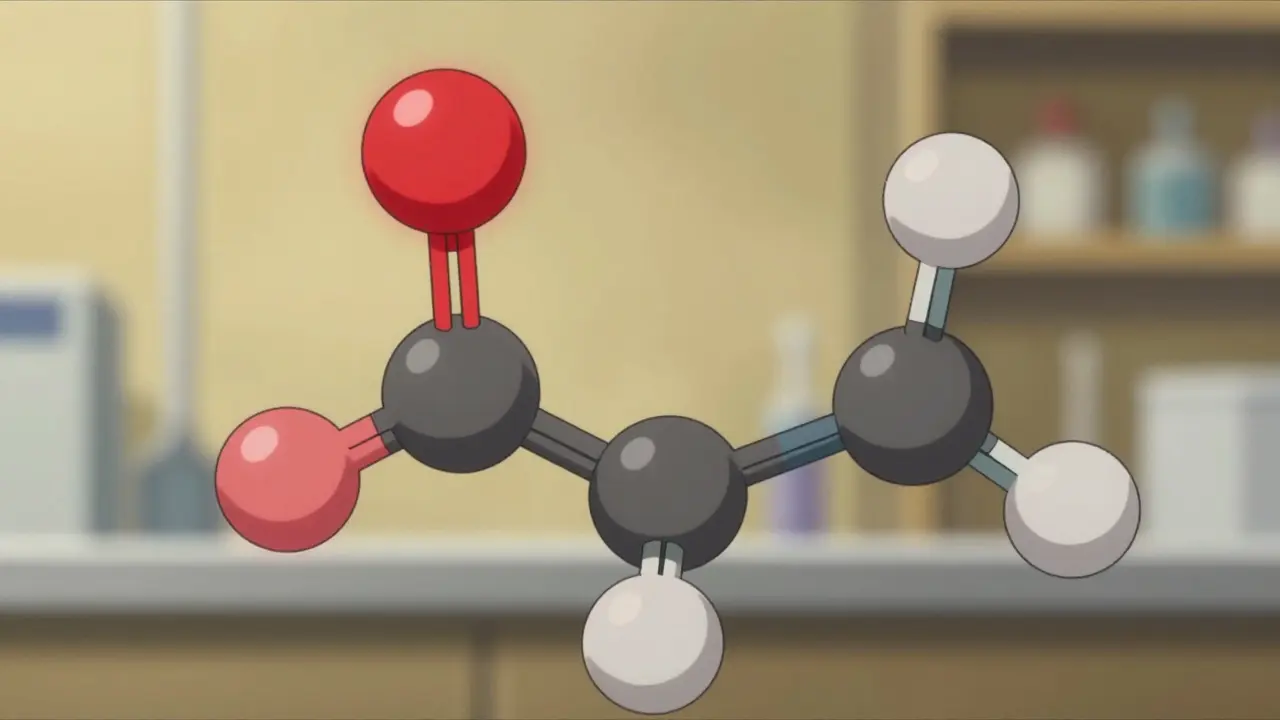
Many people confuse sulfonamides with other "sulfur"-related compounds. This is dangerous misinformation. Sulfates (like magnesium sulfate used in preeclampsia treatment), sulfites (found in wine and dried fruits), and elemental sulfur are chemically unrelated to sulfonamides. A 2020 survey revealed 42.7% of primary care physicians incorrectly believed sulfites were contraindicated in sulfonamide-allergic patients. There's zero evidence linking these substances.
For example, if you have a sulfonamide allergy, you can safely take:
- Table salt (sodium chloride)
- Calcium sulfate (a food additive)
- Sulfur ointments for skin conditions
These contain no sulfonamide group and pose no allergy risk. The confusion stems from the word "sulfur" in their names, but chemically they're completely different.
How to Communicate Your Allergy to Your Doctor
Vague terms like "I'm allergic to sulfa" cause problems. Instead, be specific:
- "I had a rash 5 days after taking sulfamethoxazole for a UTI"
- "I developed hives within 30 minutes of my first dose of sulfadiazine"
- "I had Stevens-Johnson syndrome after sulfamethoxazole-trimethoprim"
This precision matters. A 2021 study in JACI Practice found that documenting exact reactions reduced inappropriate avoidance of nonantibiotic sulfonamides by 63.2%. For mild reactions (like a delayed rash without fever or blistering), your doctor may safely prescribe nonantibiotic sulfonamides after a supervised challenge. For severe reactions (like Stevens-Johnson syndrome), always consult an allergist first.
Real-Life Impact of Mislabeling
When doctors avoid all sulfonamides due to a mislabeled allergy, patients often get worse treatment. A 2021 Clinical Infectious Diseases study showed that patients with documented "sulfa allergy" receive broader-spectrum antibiotics 32.7% of the time when a sulfonamide antibiotic would have been ideal. This contributes to antibiotic resistance and higher healthcare costs. The U.S. healthcare system loses an estimated $1.2 billion annually from this unnecessary antibiotic use.
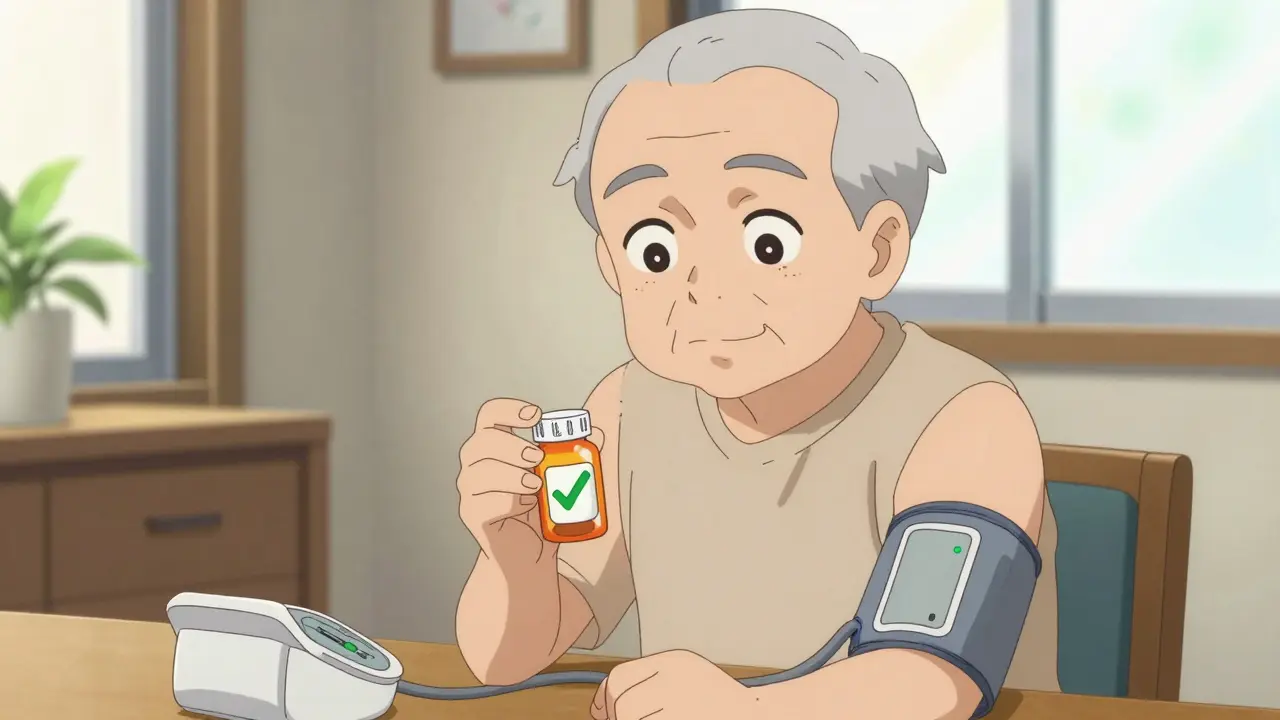
Consider real cases: A 68-year-old man with "sulfa allergy" was denied hydrochlorothiazide for hypertension for 15 years until an allergist confirmed he could tolerate it. He'd been on less effective blood pressure drugs with more side effects. Similarly, a 2022 case series found 91.5% of patients with "sulfa allergy" successfully tolerated sulfonamide antibiotics for pneumonia prevention after supervised challenges.
FAQs About Sulfonamide Allergies
What's the difference between sulfonamide antibiotics and nonantibiotic sulfonamides?
Sulfonamide antibiotics like sulfamethoxazole contain an arylamine group at the N4 position and a nitrogen ring at N1, which trigger allergic reactions. Nonantibiotic sulfonamides like hydrochlorothiazide lack these specific structures, so they don't cause cross-reactivity. Studies show over 96% of people with true sulfonamide antibiotic allergies can safely take nonantibiotic versions.
Can I take hydrochlorothiazide if I have a sulfa allergy?
Yes, almost always. Hydrochlorothiazide is a nonantibiotic sulfonamide with no arylamine group. Research shows its reaction risk is only 1.1% in people with sulfonamide antibiotic allergies-statistically identical to the general population. Many patients who avoid it unnecessarily end up on less effective blood pressure medications with worse side effects.
Are sulfates and sulfites the same as sulfonamides?
No. Sulfates (like magnesium sulfate), sulfites (in wine), and elemental sulfur are chemically unrelated to sulfonamides. They don't contain the SO2NH2 group that defines sulfonamides. A 2020 survey found 42.7% of doctors mistakenly believed sulfites were unsafe for sulfonamide-allergic patients, but there's no scientific basis for this concern.
What should I tell my doctor about my allergy?
Always specify the exact reaction: "I had a rash 5 days after sulfamethoxazole" or "I developed hives 30 minutes after sulfadiazine." Vague terms like "sulfa allergy" lead to unnecessary medication restrictions. Documenting precise details reduces inappropriate avoidance by 63.2%, according to clinical studies.
Why do some people react to sulfonamide antibiotics?
Sulfonamide antibiotics form reactive metabolites that bind to proteins in the body, creating neoantigens that trigger immune responses. This happens because of their specific chemical structure (arylamine at N4 + nitrogen ring at N1). Nonantibiotic sulfonamides don't form these metabolites, so they don't cause the same immune reactions.
Comments (8)
Elliot Alejo
February 6, 2026 AT 01:37
This is a great explanation. The chemical details make it clear why non-antibiotic sulfonamides are safe.
Bella Cullen
February 6, 2026 AT 13:26
This is too complicated. Why can't they just say 'avoid all sulfa drugs'?
Sam Salameh
February 8, 2026 AT 10:44
America's medical research is top-notch. This is why our healthcare is better than others.
Cole Streeper
February 9, 2026 AT 00:29
This is all a scam to sell more drugs. They're lying about the safety.
divya shetty
February 9, 2026 AT 14:37
I must point out that conspiracy theories are dangerous. The scientific evidence is clear and well-documented.
Rene Krikhaar
February 11, 2026 AT 13:09
The key point here is understanding the chemical structure differences between sulfonamide antibiotics and nonantibiotic sulfonamides
Sulfonamide antibiotics like sulfamethoxazole have specific features an arylamine group at the N4 position and a nitrogen-containing ring at N1
These parts create reactive metabolites that bind to proteins and trigger immune responses
Nonantibiotic sulfonamides like hydrochlorothiazide lack these exact structures
For instance hydrochlorothiazide has a methyl group at N1 and no arylamine at N4
This means they don't form the same reactive metabolites
Studies using mass spectrometry confirm their metabolic pathways are different
A 2022 study in the Journal of Allergy and Clinical Immunology found that only 0.3-0.5% of people have true IgE-mediated reactions to sulfonamide antibiotics
Many reported allergies are actually side effects or unrelated issues
The confusion comes from how these drugs are labeled
For example sulfamethoxazole and hydrochlorothiazide both contain sulfonamide groups but have different chemical structures
Only the antibiotic versions have the specific parts that cause allergies
Nonantibiotic sulfonamides like celecoxib or furosemide are generally safe
A systematic review in Annals of Allergy Asthma & Immunology showed 96-98% negative predictive value for nonantibiotic sulfonamides in people with antibiotic allergies
Sulfates sulfites and elemental sulfur are completely unrelated
They don't contain the SO2NH2 group
Mislabeling can lead to worse treatment choices
For instance patients with 'sulfa allergy' often get broader-spectrum antibiotics which contribute to resistance
The US healthcare system loses $1.2 billion annually from this
Always tell your doctor the exact reaction I had a rash after sulfamethoxazole not just sulfa allergy
This precision reduces inappropriate avoidance by 63.2%
Real-life cases show patients who were unnecessarily avoiding hydrochlorothiazide for years but could safely take it
Always consult an allergist for severe reactions
one hamzah
February 12, 2026 AT 18:54
this is so helpful 😊 from India we have many cases where people avoid meds unnecessarily. Sulfonamide antibiotics are the problem but non-antibiotic ones like hydrochlorothiazide are safe. Thanks! 💡
Diana Phe
February 14, 2026 AT 09:37
Big Pharma is hiding the truth about sulfonamide safety.