
Medication Flushing Risk & Relief Calculator
Step 1: Select Medication Type
Select the medication causing your symptoms to calculate baseline risk.
Step 2: Check for Triggers
Click the boxes if you have experienced these today or are currently doing them.
Severity Assessment
*Based on drug type + environmental triggers
Recommended Actions
- Select a medication to see recommendations.
Have you ever finished a meal or taken your morning pill, only to feel a sudden wave of heat rush to your face? Your skin turns bright red, you might break out in a sweat, and it feels like everyone is staring at you. It’s embarrassing, uncomfortable, and frankly, confusing. If this happens after taking medication, you aren’t imagining things. You are experiencing medication-induced facial flushing.
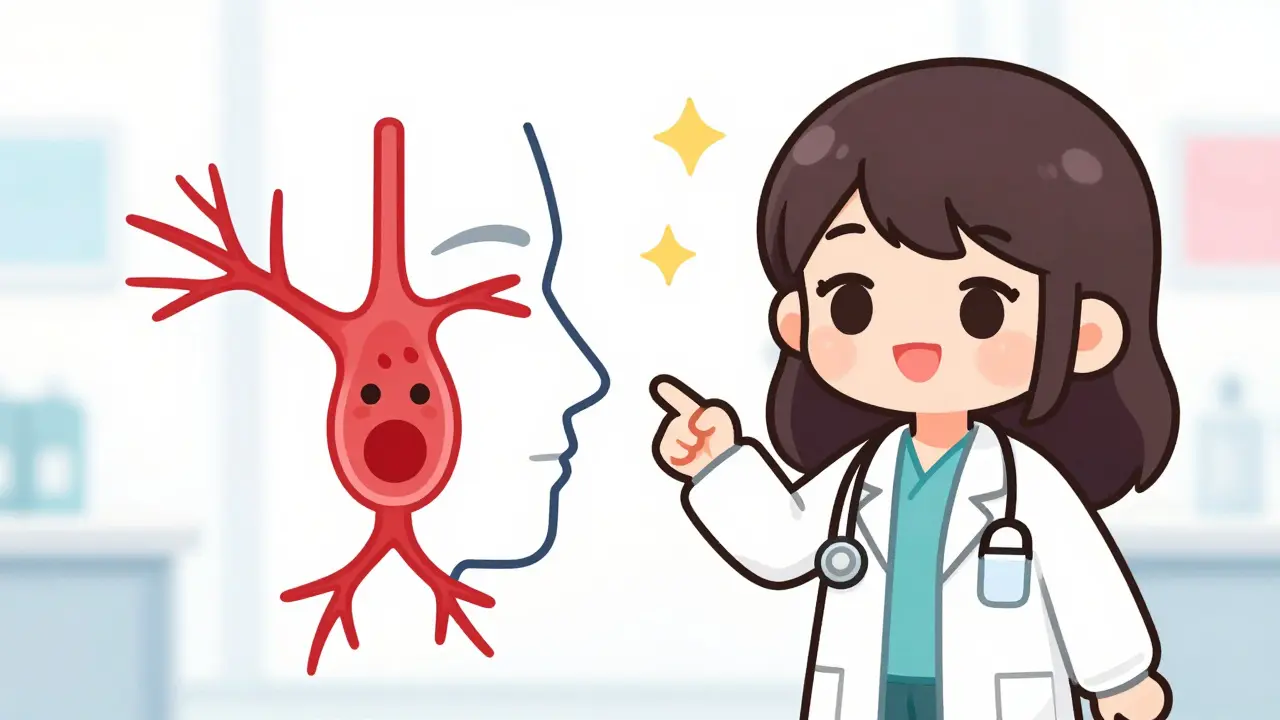
This isn’t just a cosmetic issue. It’s a physiological reaction where blood vessels in your face, neck, and upper chest widen (vasodilation), increasing blood flow to the surface of your skin. While often harmless, it can be distressing and sometimes signals how your body is processing specific drugs. Understanding why this happens and how to manage it can make a huge difference in your comfort and confidence.
Why Do Some Drugs Make You Flush?
To understand the fix, we first need to look at the cause. Facial flushing from meds usually stems from two main mechanisms: direct action on blood vessels or the release of chemicals that trigger those vessels to open up.
Some medications are designed to relax smooth muscle tissue in your arteries to lower blood pressure or improve blood flow. This is great for your heart, but those same relaxed vessels in your face let more blood through than usual, creating that red appearance. Other drugs trigger the release of histamine or prostaglandins-chemicals your body uses to signal inflammation or immune response. When these chemicals spike, they cause rapid vasodilation, leading to flushing, itching, and sometimes sweating.
The Usual Suspects: Medications That Trigger Flushing
Not every drug causes this, but several classes are notorious for it. Knowing which one you are taking helps predict and manage the reaction.
Vasodilators and Blood Pressure Meds
If you take medication for high blood pressure or angina, flushing is a very common side effect. These drugs include calcium channel blockers like diltiazem, nifedipine, and amlodipine. They work by relaxing vascular smooth muscle. Since they can’t distinguish between the arteries in your legs and the capillaries in your cheeks, your face gets flushed. Nitrates like nitroglycerin also fall into this category.
Niacin (Vitamin B3)
Niacin is used to manage cholesterol levels, but it comes with a price: the "niacin flush." This is one of the most well-documented reactions. It involves prostaglandins and an imbalance in your nervous system. The good news? Taking aspirin or ibuprofen about 30 minutes before your dose can reduce the intensity by roughly 30%. It won’t stop it completely, but it takes the edge off.
Opioids
Painkillers like morphine can cause flushing not because they dilate vessels directly, but because they trigger mast cells to release histamine. This is similar to an allergic reaction but is actually a predictable pharmacological effect. You might notice itching along with the redness. This is distinct from a true allergy, which would involve breathing difficulties or swelling of the throat.
Antibiotics: The "Red Man" Syndrome
Vancomycin, an antibiotic used for serious bacterial infections, can cause a condition known as vancomycin flushing syndrome or "red man syndrome." This presents as a red rash on the face, neck, and upper trunk. Crucially, this is often related to how fast the drug is infused into your vein. Slowing down the infusion rate usually prevents or minimizes this reaction. Rifampin, used for tuberculosis, is another antibiotic on this list.
Hormonal Therapies and Cancer Treatments
Hormones play a big role in vascular tone. Tamoxifen, used for breast cancer, and GnRH agonists like leuprorelin, used for prostate issues, frequently cause flushing. Chemotherapy agents like doxorubicin can also trigger this response. For women going through menopause, hormonal fluctuations combined with these treatments can intensify hot flashes.
Other Notable Triggers
- Sildenafil (Viagra): Used for erectile dysfunction and pulmonary hypertension, it causes vasodilation throughout the body, including the face.
- Corticosteroids: Drugs like prednisone or triamcinolone can affect inflammatory pathways and vascular reactivity.
- Cyclosporine: An immunosuppressant that adds flushing to its already long list of side effects.
- Chlorpropamide: An older diabetes drug that causes flushing specifically when mixed with alcohol.
Immediate Relief: What Can You Do Right Now?
If you’re currently dealing with a flush, here are practical steps to cool down and calm your system.
- Cool Down Physically: Move to a cooler room. Apply a cold compress or damp cloth to your forehead and neck. Avoid ice directly on the skin, as extreme cold can sometimes trigger rebound redness.
- Hydrate: Drink cold water. Dehydration can worsen flushing, so keeping your body hydrated helps regulate temperature.
- Breathe Slowly: Anxiety can amplify flushing. Practice deep, slow belly breaths to activate your parasympathetic nervous system, which helps counteract the stress response.
- Avoid Heat Triggers: Stay away from hot drinks, spicy foods, and bright sunlight until the episode passes.
Long-Term Management Strategies
If flushing is affecting your quality of life, talk to your doctor. There are medical and procedural options available.
Medication Adjustments
Your doctor might adjust the dosage, switch you to a different drug in the same class, or change the timing of your dose. For example, extended-release formulations of certain drugs can prevent the sharp spikes in blood concentration that trigger flushing.
Off-Label Medications
While no drug is FDA-approved specifically to treat flushing, doctors often prescribe beta-blockers (like nadolol) or clonidine off-label. Clonidine changes how your body responds to noradrenaline, helping control blood vessel dilation. For opioid-induced flushing, antihistamines may help block the histamine effect.
Procedural Interventions
For severe, chronic cases that don’t respond to meds, consider:
- Botox Injections: Botulinum toxin can paralyze the nerves that cause blushing and sweating. Effects last up to six months.
- Laser Therapy: Vascular lasers can remove small surface blood vessels contributing to chronic redness. Side effects like bruising or swelling usually resolve within days.

Lifestyle Changes to Prevent Flushing
Managing triggers is just as important as treating the symptom. The National Health Service recommends avoiding specific environmental and dietary triggers.
| Trigger Category | Specific Examples | Why It Matters |
|---|---|---|
| Dietary | Spicy foods, hot beverages, MSG (Monosodium Glutamate) | These substances can stimulate nerve endings and blood vessels directly. |
| Environmental | Bright sunlight, extreme heat, extreme cold | Temperature extremes force your body to regulate heat rapidly, widening vessels. |
| Substances | Alcohol, Caffeine | Alcohol causes vasodilation; caffeine can increase heart rate and anxiety. |
| Emotional | Stress, Anxiety, Embarrassment | Adrenaline release triggers the fight-or-flight response, causing flushing. |
Pay attention to MSG, especially in restaurant meals. It’s a known trigger for some people. Also, if you have Asian heritage, you might have a genetic variation in the enzyme acetaldehyde dehydrogenase, making you more prone to alcohol-induced flushing.
When to See a Doctor
Most medication-induced flushing is benign. However, seek immediate medical attention if flushing is accompanied by:
- Difficulty breathing or wheezing
- Swelling of the lips, tongue, or throat
- Severe dizziness or fainting
- Rapid heartbeat that doesn’t settle
Also consult your physician if the flushing interferes with your daily life, causes significant distress, or if you suspect it’s linked to a new medication. Never stop taking prescribed medication without professional advice, as the underlying condition might be more dangerous than the side effect.
How long does medication-induced flushing last?
It varies by drug. Niacin flushes typically last 30 to 60 minutes. Opioid-induced flushing may last longer depending on the half-life of the drug. Vasodilator-related flushing often subsides as the drug wears off, but can recur with each dose.
Can I drink alcohol while taking medication that causes flushing?
Generally, no. Alcohol is a vasodilator itself and can worsen flushing. Specifically, mixing alcohol with chlorpropamide or certain antibiotics can cause severe disulfiram-like reactions, leading to intense flushing, nausea, and vomiting.
Is facial flushing a sign of an allergic reaction?
Not necessarily. Simple flushing is a pharmacological side effect. An allergic reaction usually includes other symptoms like hives, itching, swelling, or respiratory issues. If you have only redness and warmth, it’s likely just flushing.
Does aspirin really help with niacin flush?
Yes, research shows that taking aspirin or ibuprofen 30 minutes before niacin can reduce the flush intensity by about 30%. It blocks prostaglandin production, which is a key driver of the reaction.
Are there natural remedies for medication flushing?
Natural management focuses on trigger avoidance. Cooling techniques, hydration, and stress reduction (like meditation or yoga) can help. However, there is no proven herbal supplement that safely blocks medication-induced vasodilation. Always check with your doctor before adding supplements.
Comments (11)
Mohit Patil
July 4, 2026 AT 12:12
they dont tell you that niacin flush is just your body screaming for help while the big pharma profits roll in like a tsunami of greed and corruption
i have been taking it for years and every time i feel that heat rising up my neck i know its not just blood vessels expanding but some deeper systemic failure engineered by men in suits who care more about stock options than human health
the histamine release from opioids? please. it is a controlled demolition of your immune system disguised as pain relief. they want you dependent on their chemical leash so you never question why your face turns red every time you swallow a pill.
vancomycin red man syndrome is literally them marking you as property. think about it. they infuse it fast to make you suffer because suffering keeps you compliant. slow it down and you might survive with your dignity intact but why would they want that?
stop trusting these doctors. they are part of the machine.
Anna Bartle
July 5, 2026 AT 04:14
Hi there! I completely agree that understanding these triggers can be incredibly empowering for managing daily comfort levels!
It is fascinating how simple steps like cooling down physically or hydrating with cold water can provide such immediate relief during those intense moments of flushing!
I always find that practicing deep, slow belly breaths helps activate the parasympathetic nervous system which really does counteract that stress response effectively!
Remember to avoid hot drinks and spicy foods temporarily as they can definitely exacerbate the situation further!
You are doing great by seeking out this information!
Dawn Renee
July 6, 2026 AT 20:19
The artical seems to imply that we should just accept this side effect as normal when clearly it is a sign of something much darker going on behind the scenes with these pharmaceutical companies
I have noticed that whenever I take my prescribed medications my skin becomes inflamed and it feels like my body is rejecting the foreign substances being forced into my system
They say it is vasodilation but I believe it is actually a toxic buildup that they do not want us to discuss openly in public forums like this one
My doctor told me it was harmless but I see the way he looks at his watch when I mention it which tells me he knows more than he is letting on
We need to demand transparency instead of being fed these half-truths about prostaglandins and histamines
Amrithaa Thayaparan
July 8, 2026 AT 03:50
its pathetic how people here act like flushing is just a minor inconvenience when it is clearly a moral failing of the medical industry to allow such disfiguring side effects to persist without proper accountability
you elitist doctors sit in your ivory towers prescribing drugs that turn your patients into beet-red zombies while pretending it is all just science
i refuse to let my body be used as a testing ground for these experimental cocktails that cause red man syndrome and other grotesque reactions
we deserve better than this substandard care that prioritizes profit over human dignity and appearance
shame on all of you for accepting this abuse
Divya Prakash
July 10, 2026 AT 01:47
One must appreciate the intricate physiological ballet that occurs within the vascular system when subjected to pharmacological interventions such as calcium channel blockers or nitrates which inevitably lead to the aforementioned erythematous presentation commonly referred to as flushing
It is rather tedious to observe the layperson's tendency to dismiss this phenomenon as merely cosmetic when in reality it represents a profound alteration in hemodynamic parameters that demands a sophisticated understanding of smooth muscle relaxation mechanisms
The suggestion that aspirin might mitigate the niacin flush by approximately thirty percent is hardly a groundbreaking revelation for those of us who have long studied the interplay between cyclooxygenase inhibition and prostaglandin synthesis
Furthermore the notion that vancomycin infusion rates can be manipulated to prevent red man syndrome demonstrates a rudimentary grasp of pharmacokinetics that most general practitioners fail to comprehend adequately
Let us hope that future readers possess the intellectual capacity to discern the nuanced differences between histaminergic release and true anaphylactic shock rather than conflating the two in a display of medical illiteracy
Chandan Sharma
July 11, 2026 AT 13:58
There is a certain poetic tragedy in the way our bodies betray us under the influence of modern medicine turning our faces into crimson canvases of discomfort and social anxiety
Consider the elegant cruelty of diltiazem relaxing the very arteries meant to sustain life only to flood our cheeks with unwanted warmth and visibility
It is as if the universe conspires through chemistry to remind us of our fragility each time we reach for a pill bottle hoping for relief from one ailment only to invite another
The niacin flush stands as a monument to this paradox offering cardiovascular benefits at the cost of momentary humiliation before peers and strangers alike
Perhaps in this redness we find a mirror reflecting the broader absurdity of our quest for perfect health in an imperfect world
Katie Dixon
July 13, 2026 AT 02:09
Honey you need to stop worrying about what everyone else thinks and start focusing on your own well-being because nobody has time to judge your face color when they are busy trying to survive their own lives
I mean come on if you are taking meds to stay alive then deal with the flush like a champ because real strength comes from pushing through discomfort not hiding in shame
And honestly if anyone gives you dirty looks for being red in the face they probably have bigger problems than yours so ignore them and keep drinking your cold water
Life is too short to let a little bit of vasodilation ruin your day so rock that glow and show the world you are strong enough to handle whatever these pills throw at you
You got this sweetheart!
Chris Munton
July 13, 2026 AT 07:35
The moral imperative here is clear: patients must advocate for themselves against a healthcare system that often treats side effects as acceptable collateral damage rather than unacceptable failures of duty
It is unjustifiable to expect individuals to endure chronic distress from facial flushing when alternative treatments or dosage adjustments exist that could alleviate this burden significantly
We must hold physicians accountable for ensuring that their prescriptions do not compromise the dignity and quality of life of those they serve
This is not merely a medical issue but a profound ethical challenge that requires urgent attention and reform throughout the entire industry
Do not settle for less than you deserve
Paul Diamond
July 13, 2026 AT 10:39
To contemplate the nature of flushing is to engage with the fundamental tension between therapeutic intent and bodily autonomy wherein the vessel becomes both conduit and casualty
One might ask whether the redness signifies a rejection of external control or perhaps an assertion of internal truth amidst pharmacological interference
In this sense the flushed face serves as a silent protest against the mechanistic reductionism that dominates contemporary medical practice
It reminds us that beneath the layers of diagnosis and prescription lies a living organism capable of expressing dissent through physiological means
Thus we are invited to reflect on the deeper meanings embedded within these seemingly trivial symptoms
Sydney Jarrett
July 15, 2026 AT 07:44
Listen up folks because I am going to break down the pathophysiology of this vasodilatory cascade once and for all so you can stop whining about your red faces and start understanding the underlying biochemistry
When you ingest a calcium channel blocker you are inhibiting L-type calcium channels in vascular smooth muscle cells which leads to hyperpolarization and subsequent relaxation of the arteriolar walls
This results in decreased peripheral resistance and increased cutaneous blood flow particularly in areas with high capillary density like the face and upper chest
For niacin induced flushing it is all about the activation of GPR109A receptors on dermal Langerhans cells and keratinocytes which triggers the release of prostaglandin D2 and E2
These prostaglandins are potent vasodilators and pruritogens which explains why you get both red and itchy skin
Antihistamines won't work here because it is not histamine mediated unlike opioid induced flushing where mu-opioid receptor stimulation causes mast cell degranulation and histamine release
So if you are on morphine and itching take diphenhydramine but if you are on niacin take ibuprofen to inhibit COX enzymes and reduce prostaglandin synthesis
Get it straight or don't bother commenting
Peter Sverla
July 15, 2026 AT 23:02
I've been reading through all these comments and I realize I've been avoiding looking in the mirror after my morning dose because I hate seeing how red I get
It makes me want to hide inside my house all day
But maybe talking about it here helps a little