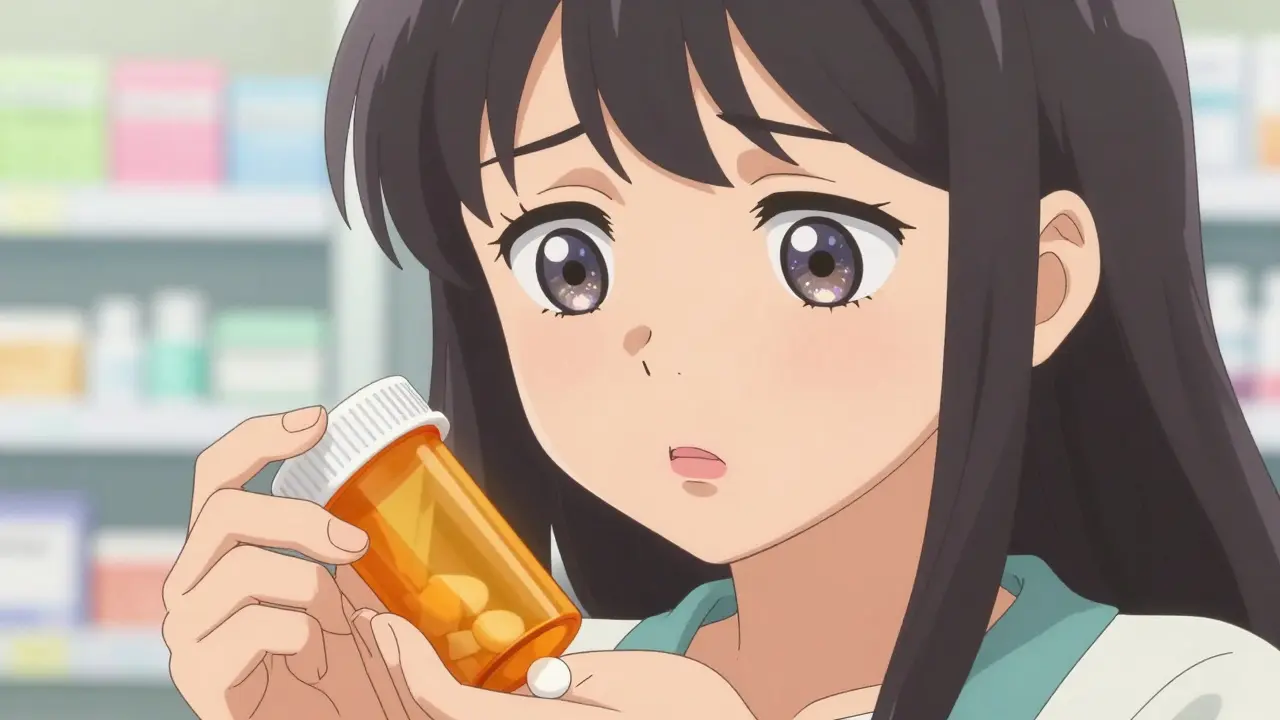
The reality is stark: about 80 million American adults struggle with limited health literacy. This isn't just a personal hurdle; it's a systemic crisis costing the healthcare system billions every year. When patients can't distinguish between a brand-name drug and its generic counterpart, they don't just get confused-they stop taking their meds. This gap in understanding is a primary driver of medication errors and unnecessary hospital visits, making it one of the most pressing issues in patient care today.
The Hidden Struggle with Generic Medications
To fix the problem, we first have to understand what's actually happening in the mind of the patient. Most people assume that if a drug is cheaper, it must be "lite" or less effective. In reality, generic medications are pharmaceutical drugs that are created to be the same as an existing brand-name drug in dosage, safety, strength, and quality. The FDA requires these drugs to be bioequivalent, meaning they work in the body in the same way and provide the same clinical benefit.
But logic often loses to psychology. Research shows that 68% of patients worry about the effectiveness of generics, compared to only 29% for brand names. Why? Because our brains are wired to associate higher prices with higher quality. When a pill looks different-different color, shape, or size-it triggers a "danger" response. We've seen cases where patients stopped life-saving antidepressants or blood pressure meds simply because the pill didn't look "familiar." This is where the gap between clinical reality and patient perception becomes a health risk.
Breaking Down the Different Types of Literacy
Health literacy isn't a single skill; it's a toolkit. When it comes to choosing between a brand and a generic, patients need four specific types of literacy to make an informed choice:
- Reading Comprehension: Can the patient actually find the active ingredient on a label? Surprisingly, 63% of people with low health literacy can't identify the active ingredient on a generic label, compared to only 28% for brand names.
- Numeracy Skills: This is the ability to handle dosage calculations. If a generic comes in a different concentration, can the patient figure out the correct amount to take?
- Oral Literacy: This is the "conversation" part. Can a patient comfortably ask a pharmacist, "Why is this pill a different color?" or "Will this work as well?"
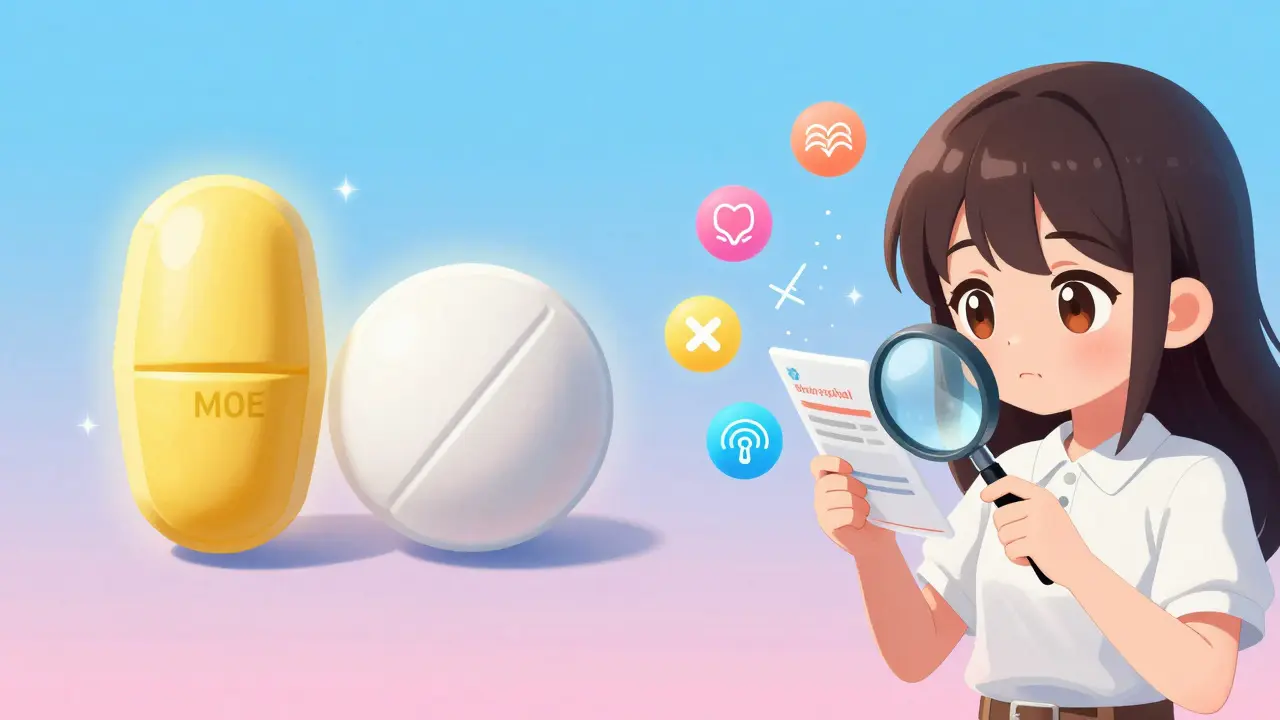
- Digital Health Literacy: In an era of Google and TikTok, digital health literacy is the ability to find and appraise health information from electronic sources. If a patient reads a random forum post claiming generics are "fake," do they have the skills to find a reliable source to debunk it?
The High Cost of Misunderstanding
When these literacy skills are missing, the consequences are measurable and expensive. People with low health literacy are 2.5 times more likely to make medication errors. In the case of generics, this often manifests as "therapeutic discontinuation"-essentially, the patient quits their medicine because they don't trust the generic version. This leads to a 23% drop in medication adherence rates.
| Metric | Low Literacy Group | High Literacy Group | Impact/Risk |
|---|---|---|---|
| Medication Errors | 2.5x more likely | Baseline | High risk of overdose/underdose |
| Hospitalization Rate | 32% higher | Baseline | Increased emergency room visits |
| Adherence Rate | 23% lower | Baseline | Chronic condition flare-ups |
| Active Ingredient ID | 63% fail (generics) | 28% fail (brands) | Confusion over drug equivalence |
Practical Strategies to Close the Gap
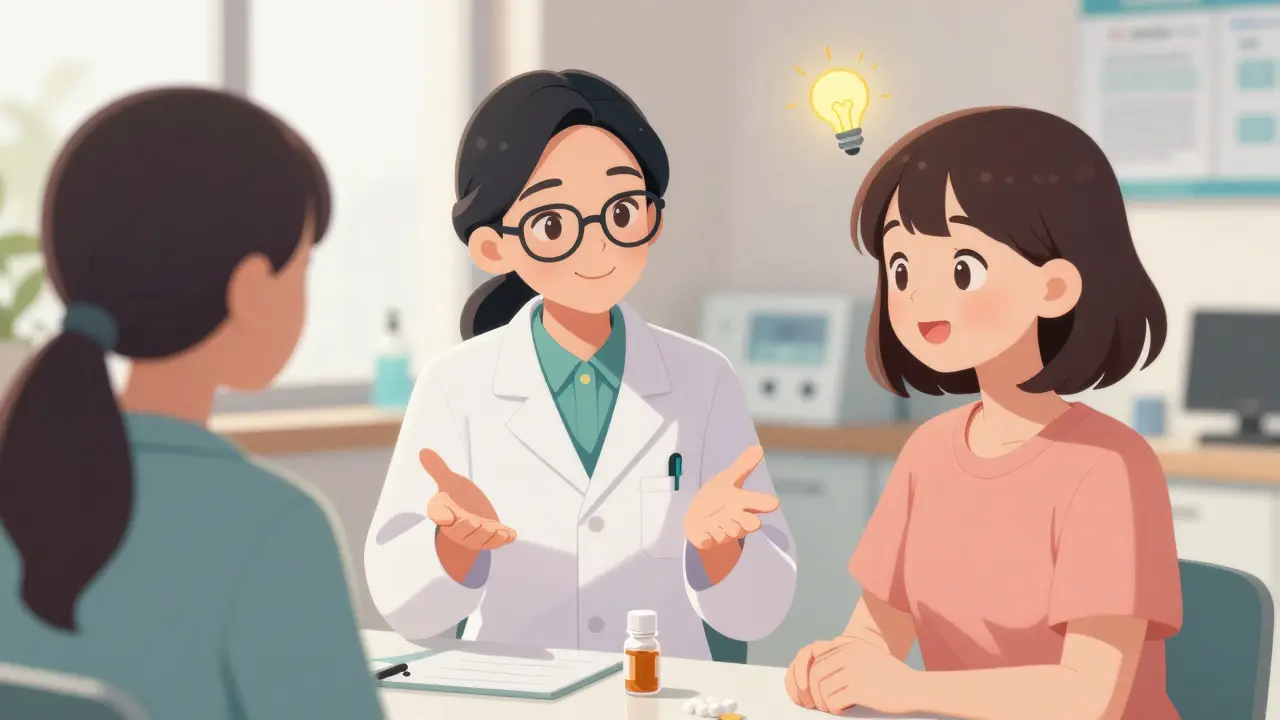
We can't expect every patient to become a pharmacology expert, but we can change how information is delivered. One of the most effective tools is the Teach-Back Method. Instead of asking, "Do you understand?" (which almost always gets a "yes" regardless of the truth), the provider asks the patient to explain the medication back to them in their own words. This simple shift has been shown to reduce misunderstandings by 42%.
Other high-impact strategies include:
- Visual Pill Identifiers: Providing a side-by-side photo of the brand-name pill and the generic version. This removes the "shock" of the physical difference.
- Plain Language Materials: Replacing jargon like "bioequivalence" with phrases like "works the same way in your body."
- Universal Schedules: Using simple charts that show when to take which pill, regardless of the brand or generic name.
- Digital Support Tools: Using apps with visual identifiers has been shown to improve recognition by 35% over standard counseling.
Addressing the Vulnerable Gap
It's important to recognize that health literacy isn't evenly distributed. Immigrants, elderly patients, and those with limited English proficiency face a double burden. They aren't just fighting a lack of medical knowledge; they're fighting a language barrier. Research indicates that people with limited English proficiency are 3.2 times more likely to misunderstand generic medication info than English-proficient patients.
Closing this gap requires organizational health literacy. This means health systems must take responsibility for the accessibility of their information. It's not the patient's fault if the brochure is written at a college level but delivered to someone who reads at a 5th-grade level. True equity means providing materials in multiple languages and employing cultural liaisons who can bridge the trust gap between the patient and the pharmacy.
The Future of Medication Literacy
Looking ahead, we're seeing a shift toward integrating literacy assessments directly into Electronic Health Records (EHR). Imagine a system where a doctor's screen flags a patient as having "low medication literacy." This would trigger a specialized counseling session with the pharmacist and the delivery of simplified visual aids before the patient even leaves the clinic. Pilot programs using this targeted approach have already seen a 31% improvement in patient understanding.
Moreover, initiatives like the FDA's "Generics Awareness Campaign" are finally treating the psychology of brands as a public health issue. By moving away from purely clinical explanations and toward human-centered communication, the healthcare system can reduce the $1.2 billion wasted annually on unnecessary brand-name prescriptions and preventable complications.
Are generic drugs actually the same as brand-name drugs?
Yes. The FDA requires generic drugs to have the same active ingredient, strength, quality, purity, and stability as the brand-name version. While they may use different inactive ingredients (like fillers or dyes), which can change the pill's appearance, the therapeutic effect is the same.
Why does my generic medication look different from my brand-name one?
Differences in color, shape, and size are usually due to inactive ingredients or the manufacturer's specific branding. These "excipients" do not change how the drug works in your body but can make the pill look entirely different.
What is the Teach-Back method in healthcare?
The Teach-Back method is a communication technique where a healthcare provider asks a patient to explain a medical instruction back to them. This confirms that the patient truly understands the information rather than just nodding in agreement.
Can low health literacy lead to hospitalization?
Yes. Patients with limited health literacy are 32% more likely to be hospitalized due to medication misunderstandings. This often happens when patients stop taking essential medications because they don't trust a generic alternative or take the wrong dose due to confusing labels.
How can I tell if a generic is a safe alternative for me?
The safest way is to consult your pharmacist or doctor. Ask them if the generic is "therapeutically equivalent" to your brand-name drug and check if you have any allergies to common inactive ingredients (like lactose or certain dyes) that might be present in the generic version.
Comments (14)
Benjamin cusden
April 7, 2026 AT 12:04
It is frankly embarrassing that we even have to discuss basic bioequivalence in the 21st century. Anyone with a modicum of scientific literacy knows that the active pharmaceutical ingredient is the only thing that determines the therapeutic outcome. The obsession with the aesthetic of a pill is a failure of the individual's intellect, not the system.
Del Bourne
April 8, 2026 AT 16:15
The psychological impact of a pill's appearance is actually a well-documented phenomenon in medicine. While the chemical composition remains the same, the placebo and nocebo effects can significantly alter how a patient perceives the efficacy of their treatment. I've seen many patients experience actual symptom flare-ups just because the color of their generic medication changed, which is why visual aids are so crucial.
Danielle Kelley
April 9, 2026 AT 10:26
Typical government propaganda!! They want us to trust these "bioequivalent" chemicals from overseas plants where nobody knows what's actually in the fillers. The FDA is a revolving door for big pharma and they'll tell you anything to get you to take the cheapest possible version while they pocket the difference. Don't trust the white round pills!
Victoria Gregory
April 11, 2026 AT 01:20
Oh wow... this is such an important topic!!! 🌟 I totally get why people get scared when things look different... it's just human nature to be cautious!!! 💖
Kathleen Painter
April 12, 2026 AT 02:39
The intersection of socioeconomic status and health literacy is a deep well of systemic failure that we simply cannot ignore if we want to move toward a truly equitable healthcare model. When we look at the data regarding immigrants and those with limited English proficiency, it becomes clear that the burden of understanding is placed entirely on the most vulnerable individuals who are already navigating a complex and often alienating bureaucracy. We need to shift the paradigm so that the healthcare system adapts to the human, rather than demanding the human adapt to an inflexible system of jargon and technicality. If a patient can't identify the active ingredient, that is a failure of the labeling design and the educational delivery, not a personal failing of the patient's intelligence. It's about meeting people where they are with empathy and clear, accessible communication that transcends linguistic barriers.
Christopher Cooper
April 12, 2026 AT 10:22
The Teach-Back method seems like a fantastic way to ensure clarity. It turns a passive interaction into an active learning experience. I wonder if this could be applied to other areas of patient care, like post-surgery instructions or dietary restrictions, to further reduce hospital readmission rates.
Rauf Ronald
April 14, 2026 AT 00:54
Totally agree with the use of digital tools here. I've worked with some apps that let patients snap a photo of their med and it tells them exactly what it is and what it's for. It's a game changer for elderly patients who might be on five or six different generics. It takes the guesswork out of the equation and gives them a sense of control again. Definitely a win for patient safety!
Ruth Swansburg
April 15, 2026 AT 03:58
We must prioritize patient education. Clear communication saves lives.
Dhriti Chhabra
April 16, 2026 AT 02:21
It is most distressing to observe the disparities in healthcare access for those with limited English proficiency. The implementation of cultural liaisons would be a most commendable step toward achieving true medical equity.
Sarabjeet Singh
April 16, 2026 AT 22:05
Good points on the digital literacy side. Not everyone has a smartphone or knows how to use one to check facts.
Vivek Hattangadi
April 17, 2026 AT 00:38
I'm really glad this is being highlighted. We can all help out by encouraging our family members to ask these questions at the pharmacy. It's all about building that confidence to speak up!
Rupert McKelvie
April 17, 2026 AT 06:55
It's heartening to see the FDA finally tackling the psychology of branding. Focusing on the human element rather than just the chemistry is the only way to actually improve adherence rates in the long run.
Laurie Iten
April 18, 2026 AT 04:21
the idea that a price tag dictates quality is a curious human flaw
it shows how we value perception over reality in a way that can actually be dangerous when it comes to medicine
charles mcbride
April 19, 2026 AT 17:18
The move toward integrating literacy assessments into EHRs sounds like a brilliant strategy. It allows for a proactive approach rather than a reactive one, ensuring that the patient is supported before they even leave the building.