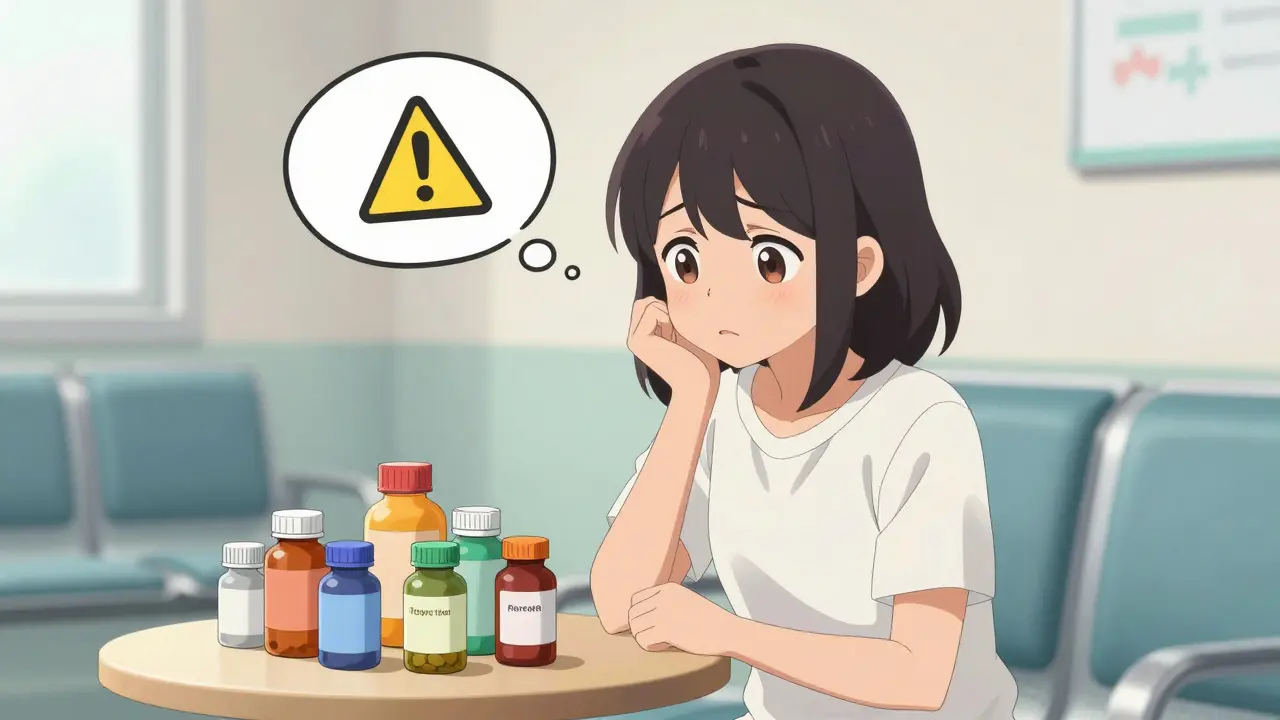
Imagine walking into a clinic and forgetting to mention that you take a daily herbal supplement or a common over-the-counter painkiller. It seems like a small detail, but in the world of medicine, that one missing piece of information can be the difference between a successful treatment and a dangerous reaction. Adverse drug reactions cause over 100,000 deaths annually in the United States alone, often because a doctor didn't have the full picture of what a patient was taking. Whether you're managing one condition or several, having a medication list that you share with every provider is your best defense against medical errors.
The Hidden Danger of Polypharmacy
If you're taking five or more medications, you're dealing with Polypharmacy, a common reality for about 40% of adults over 65. While these drugs are prescribed to help, the more you take, the higher the risk that they'll clash. These clashes, or drug interactions, don't just happen between two prescription pills. They can happen between a prescription and a vitamin, a supplement and a food, or even two different over-the-counter syrups.
The problem is that healthcare systems are often fragmented. Your cardiologist might not know what your rheumatologist prescribed last week, and neither of them knows you're taking St. John's Wort for mood support. This gap in communication is where most errors happen. In fact, 43% of medication errors occur during care transitions-like when you move from a primary doctor to a specialist or a hospital.
What Exactly Goes on a Complete Medication List?
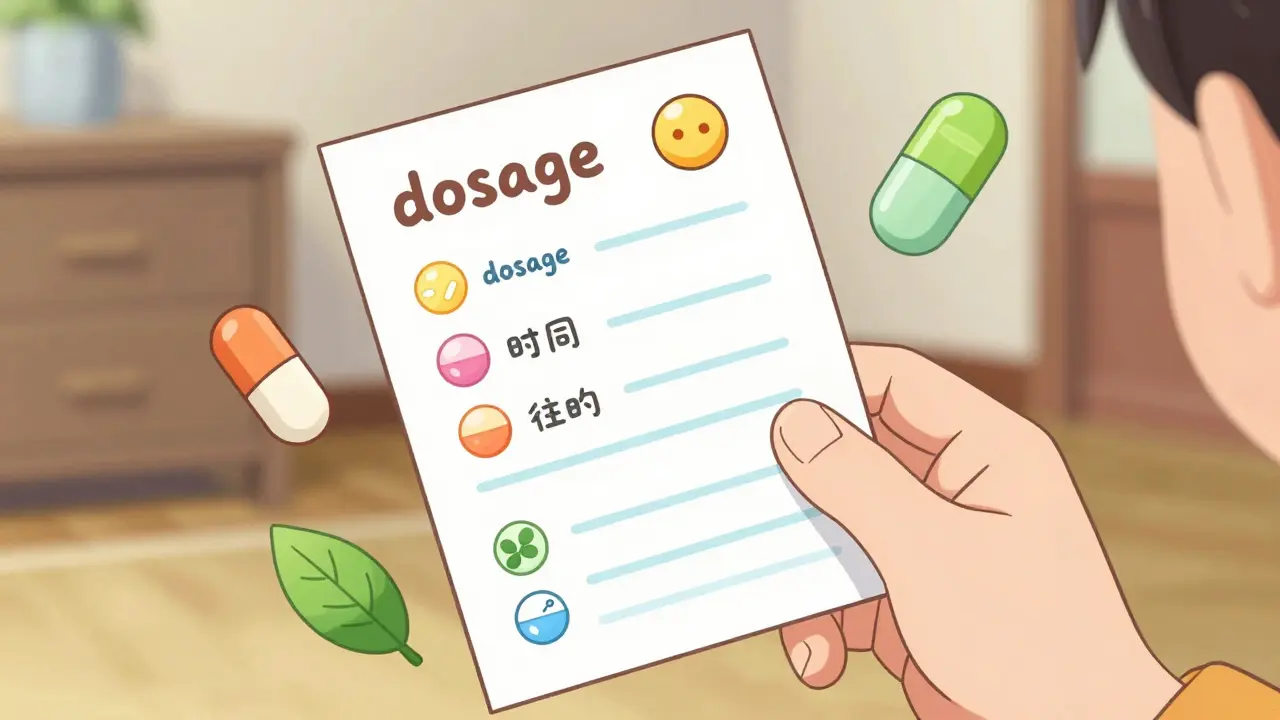
A simple list of names isn't enough. To truly prevent interactions, your provider needs specific data points. If you just write "blood pressure pill," the doctor can't check for specific chemical interactions. You need to be precise. A complete record should include:
- Exact Name: List both the brand name and the generic name (e.g., Lisinopril).
- Dosage Strength: The exact amount, such as 10 mg or 500 mg.
- Frequency and Timing: How often you take it (once daily) and when (e.g., 30 minutes before breakfast).
- Route: How it enters your body (oral, injection, topical cream).
- Reason: Why you are taking it (e.g., "for hypertension").
- Prescriber: Which doctor ordered the medication.
- Special Instructions: Notes like "avoid grapefruit juice" or "take with food."
Don't stop at prescriptions. You must include Over-the-Counter (OTC) medications like Tylenol or Advil, and vitamins or herbal supplements. Many people overlook these, but the FDA reports that OTCs and supplements contribute to 30% of serious drug interactions. Even a "natural" supplement can neutralize a life-saving medication or make another drug dangerously potent.
Choosing the Right Format for Your List
Depending on your tech comfort level and health needs, different formats offer different levels of accuracy. Some people prefer a physical card in their wallet, while others use a dedicated app. The best strategy is often a hybrid approach.
| Format | Estimated Accuracy | Biggest Pro | Biggest Con |
|---|---|---|---|
| Paper/Wallet Card | 62% | Always accessible in emergencies | Easily becomes outdated |
| Smartphone Health App | 78% | Easy to update and share | Requires tech access/charging |
| Electronic Health Record (EHR) | 85% (Rx only) | Provider has instant access | Poor tracking of OTCs/supplements |
| Single Pharmacy System | 92% (Major interactions) | Professional screening technology | Doesn't track non-pharmacy buys |
To maximize safety, try using a single pharmacy for all your prescriptions. This allows the pharmacist's software to flag major interactions across your entire profile. Combine this with a digital list on your phone and a printed copy for emergency responders.
Step-by-Step: How to Share Your List Effectively
Having a list is only half the battle; the other half is making sure the doctor actually uses it. Many patients wait for the doctor to ask, but statistics show that 63% of providers don't routinely request a complete list. You have to be proactive.
- Prepare Your List: Use a standardized template or a tool like the FDA's "My Medicine Record." If you're overwhelmed, take photos of all your medication bottles and labels-this is a highly effective strategy for those with complex regimens.
- Update Immediately: Update your list within 24 hours of any change in dose or new prescription. Do a full deep-dive review once a month.
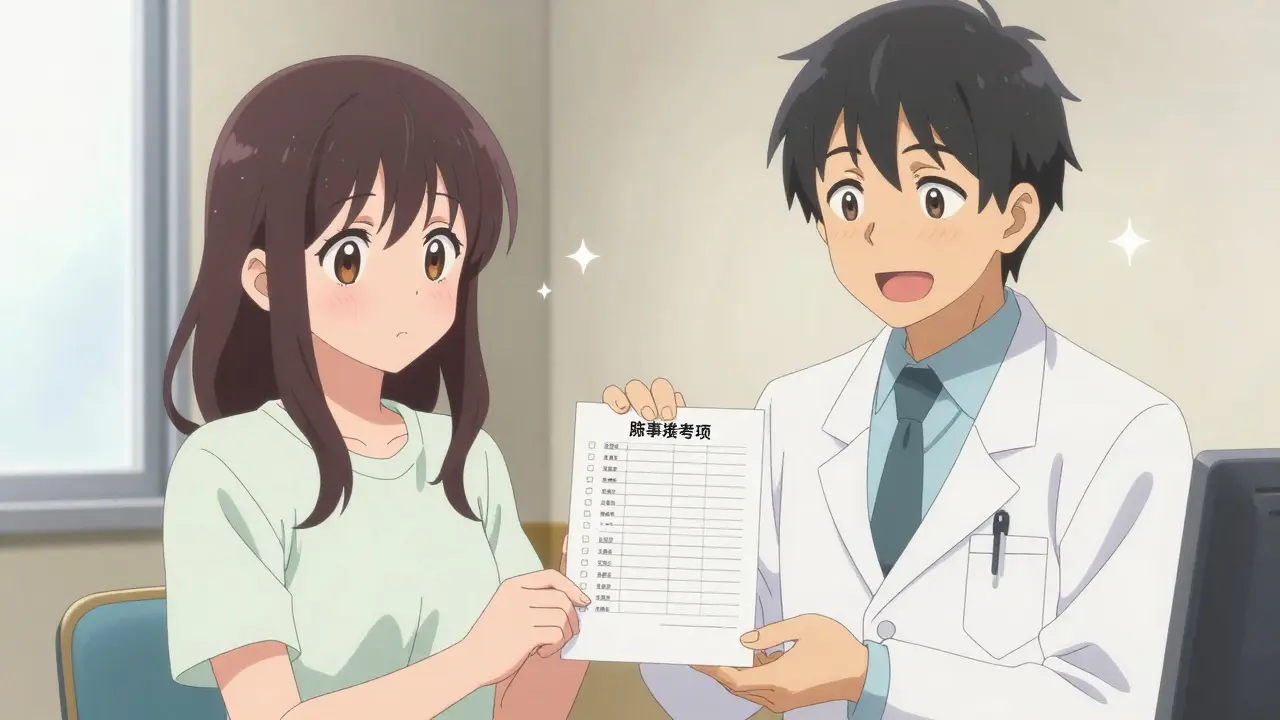
- Lead the Conversation: Hand the list to the nurse or doctor the moment you walk in. Say, "Here is my complete current medication list, including supplements. Please review it before we start."
- Ask Specific Questions: Don't just hand it over. Ask, "Could any of these medications interact with each other?" or "Are there any foods or supplements I should avoid while on this new drug?"
- Appoint a Coordinator: If you see three or more specialists, designate one provider (usually your primary care physician) as the "medication coordinator." They should be the final check for any new prescriptions to prevent duplication.
Common Pitfalls to Avoid
Even well-meaning patients make mistakes. The Institute for Safe Medication Practices has identified the most frequent errors that lead to harm. Avoid these specific traps:
- Omitting the "Small Stuff": Forgetting a daily multivitamin or a nighttime sleep aid. These can still cause interactions.
- Leaving Old Meds on the List: Failing to mark a medication as "discontinued" can lead a doctor to believe you are still receiving a treatment you've actually stopped.
- Vague Dosing: Writing "one pill" instead of "20 mg."
- Missing Allergy Details: Instead of just listing "Penicillin," describe the reaction (e.g., "causes hives and throat swelling"). This helps the doctor understand the severity of the allergy.
How often should I update my medication list?
You should update your list within 24 hours of any change, such as a new prescription or a change in dosage. Additionally, a comprehensive review of all medications, including over-the-counter products and supplements, should be performed once a month to ensure everything is accurate.
Do I really need to list vitamins and herbal supplements?
Yes, absolutely. Many supplements can interfere with how your body processes prescription drugs. For example, St. John's Wort is known to interact with several critical medications, including blood thinners like warfarin, potentially leading to life-threatening complications.
What is the best app for tracking medications?
While there are many options, apps like Medisafe and MyMeds are frequently cited in clinical trials for improving adherence. However, the "best" app is the one you will actually update consistently. If apps feel tedious, using a digital document or the FDA's "My Medicine Record" form is a great alternative.
What should I do if my doctor doesn't ask for my list?
Be proactive. Hand your list to the provider as soon as the appointment begins. Many doctors are rushed and may forget to ask, but they will appreciate the accuracy of a patient-provided list, as it is often more current than the electronic records in their system.
Can a pharmacist help me manage my list?
Yes. Pharmacists are experts in drug chemistry and interactions. A pharmacist-led medication review can significantly reduce inappropriate prescribing. Using a single pharmacy for all medications allows them to use professional screening software to catch potential risks.
Next Steps for Your Safety
If you're starting today, don't try to do everything at once. Start by gathering every bottle and supplement in your house. Write down the name, dose, and why you take it. Once you have that draft, take it to your next pharmacy visit and ask the pharmacist to help you refine it. If you have a family member or caregiver, involve them in a weekly review-especially for older adults-to ensure no doses are missed and the list remains current. Your proactive approach is the most effective way to ensure your treatment plan works without unexpected side effects.
Comments (9)
Divyanshu Giri
April 21, 2026 AT 08:02
this is a total game changer!! just grab a notebook and smash it out today 🚀
Ajinkya Joshi
April 22, 2026 AT 20:26
Oh sure, because we all know doctors actually spend more than thirty seconds looking at a piece of paper before ignoring it and prescribing something that makes you hallucinate. Pure fantasy.
Chidi Prosper
April 24, 2026 AT 15:44
Exactly. The fragmentation in healthcare is a disaster. I've seen people jump from one specialist to another without a single cohesive record, and it's honestly negligent. We need to force ourselves to be the managers of our own health because the system clearly isn't doing it for us.
Ally Warren
April 25, 2026 AT 01:36
It is fascinating how we outsource our survival to a system of fragmented records. We treat our bodies like separate provinces rather than a single unified state. By maintaining this list, we aren't just avoiding drug interactions; we are reclaiming a small piece of autonomy over our own existence in a bureaucratic machine that often views us as a collection of symptoms rather than a whole person. It is a meditative act of self-preservation in an era of clinical detachment.
Caroline Duvoe
April 26, 2026 AT 11:57
everyone knows the EHR is trash anyway 🙄 just take a photo of the bottles lol 📸
Sarah Watters
April 27, 2026 AT 04:55
Funny how they want us to list every single thing we take. Makes it way easier for the big pharma databases to track exactly what's working and what's not so they can tweak the formulas and keep us dependent. I'll keep my list in my head, thanks.
Emma Cozad
April 27, 2026 AT 06:31
the US medical system is a joke lol but at least we have the best meds if u can aford them. i just use a notes app and it works fine for me without all this extra fluff
Anantha Lakshmi
April 29, 2026 AT 01:53
Let's all start doing this for our parents! 🌟 It's such a simple way to keep them safe and healthy. Just a little effort now saves so much stress later! 💪✨
Odicha ude Somtochukwu
April 29, 2026 AT 16:27
I must wholeheartedly agree with the necessity of this practice!!! It is truly a commendable suggestion, as many of our elders in various communities struggle with multiple prescriptions without proper guidance!!! One must be diligent in their approach to health, for a well-documented history is the greatest gift one can give to their physician!!!