
That red, spreading patch on your leg or the honey-colored crust on your child’s face isn’t just a rash. It is likely a bacterial invasion that needs more than just time to heal. Bacterial skin infections are among the most common reasons people visit doctors, yet they are often misunderstood. Many assume all skin infections look and act the same, but the difference between a superficial surface issue and a deep tissue threat can mean the difference between a five-day topical cream course and an emergency room visit.
We need to talk about two specific culprits: Impetigo, which is a highly contagious, superficial skin infection primarily affecting children, and Cellulitis, which is a deeper, potentially serious infection of the skin and underlying tissues. Understanding what causes them, how to spot them early, and why picking the right antibiotic matters is crucial for preventing complications like kidney damage or sepsis.
What Exactly Is Impetigo?
Impetigo, often called "school sores," is the classic childhood skin infection. If you have ever seen a child with a crusted sore around their nose or mouth, you have likely seen this condition. It stays on the very top layer of the skin (the epidermis) and spreads easily through direct contact or shared items like towels.
The primary cause is bacteria, specifically Staphylococcus aureus in about 80-90% of cases. Sometimes, it teams up with Streptococcus pyogenes (Group A Streptococcus). Historically, doctors blamed Group A Strep for most cases, but modern research shows Staph has taken over as the main driver. This shift is vital because Staph bacteria produce enzymes that destroy penicillin, making older antibiotics useless against them.
There are two main forms:
- Nonbullous Impetigo: This accounts for roughly 70% of cases. It starts as small blisters or pustules that burst quickly. Within a few days, they turn into erosions covered by a distinctive thick, yellow-brown "honey" crust. These lesions usually appear on the face, especially around the nostrils and mouth.
- Bullous Impetigo: More common in infants under two years old, this form creates larger, thin-walled blisters (bullae) measuring 2-5 cm. When these break, they leave raw, denuded areas rather than thick crusts. This type is caused exclusively by toxin-producing Staph aureus strains.
Impetigo is incredibly contagious. In schools or daycare centers, outbreaks can affect 15-20% of exposed children. The good news? Children stop being contagious within 24 hours of starting appropriate antibiotic treatment.
Understanding Cellulitis: The Deeper Threat
If impetigo is a surface scratch, cellulitis is a structural breach. Cellulitis is an acute bacterial infection involving the dermis and subcutaneous fat. It does not stay on the surface; it digs in. This makes it far more dangerous and less contagious than impetigo. You cannot catch cellulitis from touching someone who has it.
Cellulitis usually happens when bacteria enter through a break in the skin. Think about insect bites, athlete’s foot cracks (tinea pedis), surgical wounds, or even minor scrapes. About 65% of cases start from such minor trauma. The infection spreads rapidly through the connective tissue.
Clinically, it looks different from impetigo. You will see a spreading area of redness (erythema), warmth, swelling, and tenderness. Crucially, the borders are poorly defined-it doesn't have a sharp edge like a ringworm rash. It most commonly affects the lower legs (70% of adult cases) and is usually unilateral (on one side only).
The bacteria behind cellulitis differ slightly from impetigo. While Staph aureus plays a role (20-30% of cases), Streptococcus pyogenes is the dominant player, causing 60-80% of infections. This distinction matters for antibiotic choice, as streptococci are generally more sensitive to certain beta-lactam antibiotics than staphylococci.

Key Differences: How to Tell Them Apart
Mistaking one for the other can lead to inadequate treatment. Here is how they compare across critical factors:
| Feature | Impetigo | Cellulitis |
|---|---|---|
| Depth | Epidermis (surface) | Dermis & Subcutaneous tissue (deep) |
| Contagious? | Yes, highly | No |
| Primary Cause | Staphylococcus aureus (80-90%) | Streptococcus pyogenes (60-80%) |
| Appearance | Honey-colored crusts, distinct lesions | Spreading redness, warm, swollen, no clear border |
| Treatment | Topical mupirocin or oral antibiotics | Systemic oral or IV antibiotics required |
| Risk Group | Children aged 2-5 | Adults, elderly, those with diabetes/obesity |
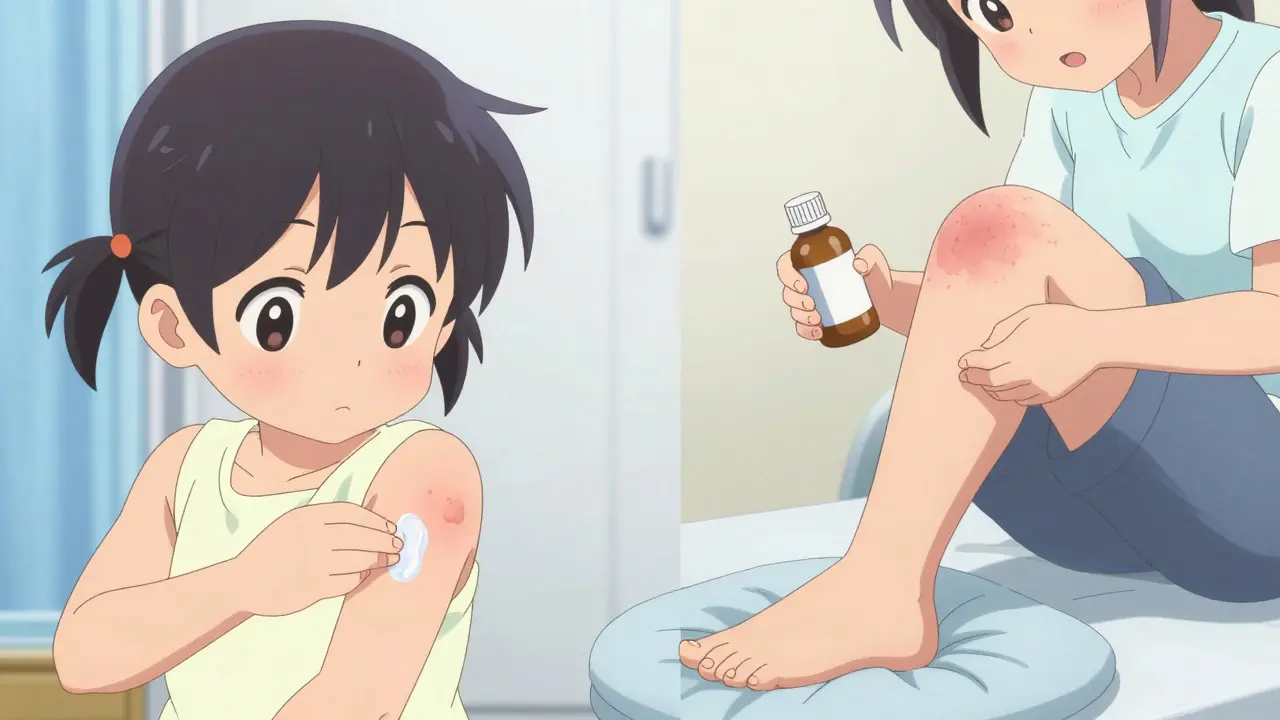
Antibiotics and Treatment Strategies
The era of "one size fits all" antibiotics is over. Because bacteria evolve, so must our treatments. The biggest challenge today is antibiotic resistance, particularly Methicillin-resistant Staphylococcus aureus (MRSA). In some communities, nearly half of all Staph skin infections involve MRSA, which ignores standard penicillin-based drugs.
Treating Impetigo
For localized impetigo, you don't always need pills. Topical Mupirocin (brand name Bactroban) is the gold standard. Applied three times daily for five days after gently cleaning the crusts with warm soapy water, it cures about 92% of cases. Newer options like topical retapamulin show similar high efficacy rates.
If the infection is widespread, bullous, or doesn't respond to creams, oral antibiotics are necessary. Since many Staph strains produce penicillinase, doctors avoid plain penicillin. Instead, they prescribe anti-staphylococcal penicillins like Dicloxacillin or first-generation cephalosporins like Cephalexin. For suspected MRSA, alternatives like Doxycycline or Trimethoprim-sulfamethoxazole are used.
Treating Cellulitis
Cellulitis requires systemic treatment because the infection is deep. Mild cases are treated with oral cephalexin or dicloxacillin for 5-14 days. Patients should elevate the affected limb and use pain relievers like acetaminophen. Improvement should be visible within 48-72 hours.
Severe cases-those with fever, rapid spread, or signs of systemic illness-require hospitalization and intravenous antibiotics like Cefazolin. If MRSA is suspected, IV vancomycin or linezolid may be needed. Never ignore cellulitis; if left untreated, it can lead to bacteremia (blood poisoning), necrotizing fasciitis (flesh-eating disease), or sepsis.
Prevention and Risk Factors
You can significantly reduce your risk of these infections with simple hygiene practices. For impetigo, keep fingernails short to prevent scratching and spreading bacteria. During outbreaks, wash hands frequently with antibacterial soap and avoid sharing towels, clothing, or sports equipment. Treat minor cuts immediately with antiseptic solutions.
For cellulitis, the focus is on maintaining skin integrity. If you have athlete’s foot, treat it aggressively-cracks in the feet are a major entry point for bacteria. Manage chronic conditions like diabetes carefully, as high blood sugar weakens immune response and increases infection risk by over threefold. Keep any open wounds clean and covered until healed.
How long does impetigo last without treatment?
Untreated impetigo can last 2-3 weeks. However, leaving it untreated increases the risk of spreading to others and developing complications like post-streptococcal glomerulonephritis (kidney inflammation). With proper antibiotic treatment, lesions typically dry up and heal within 7-10 days.
Is cellulitis contagious?
No, cellulitis is not contagious. It occurs when bacteria enter your own body through a break in the skin. You cannot catch cellulitis from touching someone else's infected area, unlike impetigo which spreads easily through direct contact.
When should I go to the ER for a skin infection?
Seek emergency care if you experience high fever (>38.3°C/101°F), red streaks extending from the wound, severe pain out of proportion to appearance, rapid expansion of redness (>2 cm per day), or confusion. These are signs of sepsis or necrotizing fasciitis, which are life-threatening.
Can adults get impetigo?
Yes, although it is much more common in children aged 2-5. Adults can get impetigo, especially if they have compromised immune systems, live in crowded conditions, or participate in contact sports. Poor hygiene and pre-existing skin conditions like eczema also increase risk.
Why doesn't penicillin work for most skin infections anymore?
Most Staphylococcus aureus strains now produce an enzyme called penicillinase that breaks down penicillin molecules before they can kill the bacteria. Studies show that 68-85% of contemporary Staph strains are resistant to traditional penicillin, necessitating the use of penicillinase-resistant antibiotics like dicloxacillin or cephalosporins.