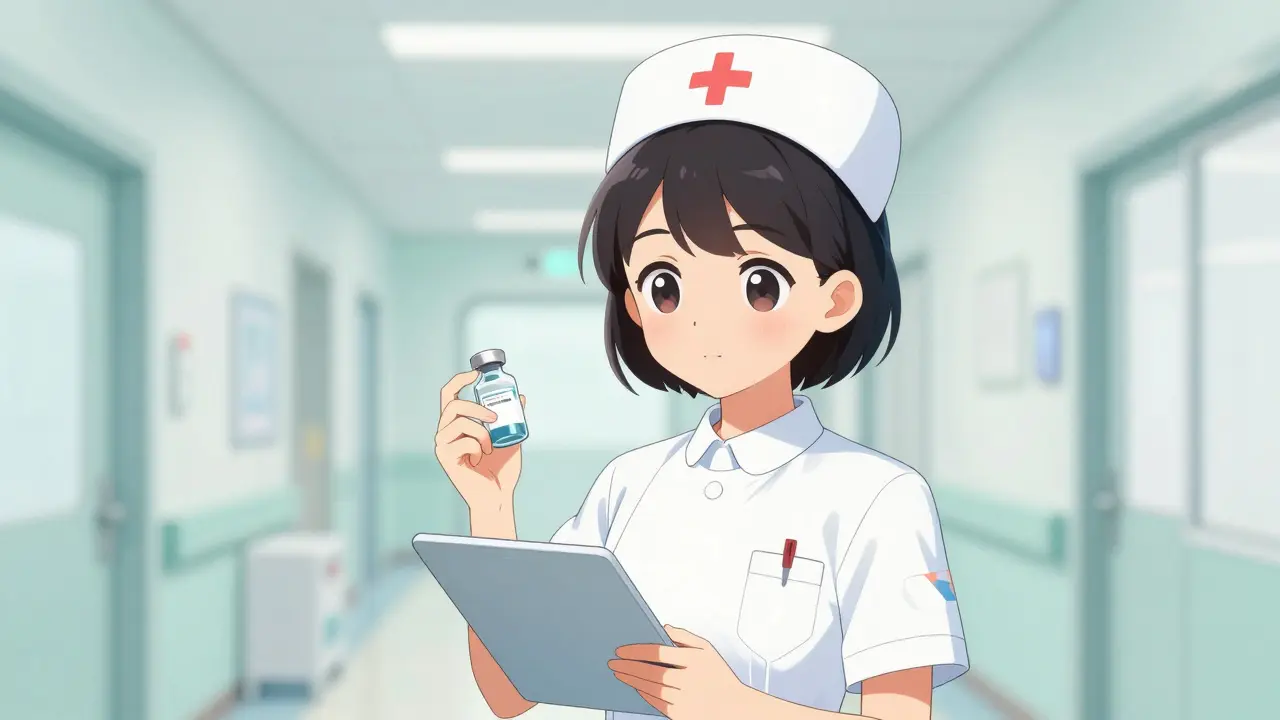
To understand where we are, we have to look at how we got here. The modern movement toward safer dosing started with the landmark 1999 report "To Err is Human," which shocked the medical world by revealing just how common these mistakes were. Since then, organizations like the Institute for Safe Medication Practices (ISMP) have shifted the focus from blaming individuals to fixing processes. Today, we use a combination of technology and strict protocols to ensure the right patient gets the right dose of the right drug at the right time.
The High-Stakes World of High-Alert Medications
Not all drugs carry the same risk. Some medications are what we call "high-alert." These are drugs that, if used incorrectly, cause much more significant harm than others. Think of insulin, opioids, or anticoagulants. A small mistake with a vitamin supplement is a nuisance; a small mistake with a potent blood thinner can be fatal.
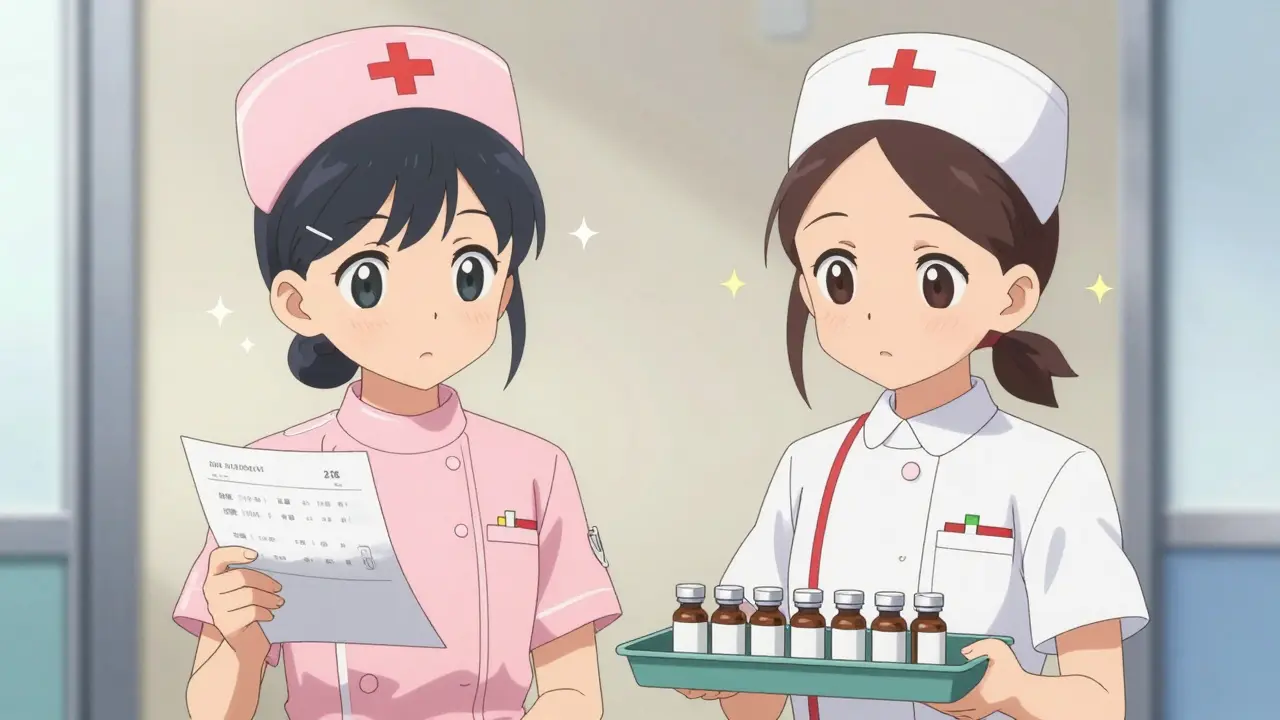
To manage these, the American Society of Health-System Pharmacists (ASHP) recommends a three-tier strategy: prevent the error from happening, make the error visible if it does happen, and mitigate the harm immediately. For example, many hospitals now use independent double-checks for high-alert meds. This means two different nurses must verify the dose separately without telling the other what they think the dose should be. This prevents "confirmation bias," where the second person just agrees with the first without actually checking the math.
Putting Best Practices Into Action
When we talk about "best practices," we aren't talking about vague suggestions. We are talking about specific, hard-coded rules. One of the most critical examples involves Methotrexate, a drug used for cancer and autoimmune diseases. Because it can be taken daily or weekly, a pharmacy error that gives a weekly dose every day can be lethal. To stop this, the ISMP pushed for "hard stop" verifications in electronic systems. This means a doctor cannot physically sign off on a daily dose unless they explicitly confirm an oncologic indication.
Other critical safety measures include:
- Eliminating glacial acetic acid from general hospital areas to prevent accidental systemic administration.
- Strict protocols to prevent vinca alkaloids from being injected into the spinal canal (intrathecal administration).
- Standardizing concentrations for intravenous drips so that every nurse in every ward is used to the same strength of a drug.
| Feature | ISMP Targeted Best Practices | Joint Commission (NPSG) |
|---|---|---|
| Focus | Specific, high-risk scenarios | Broad safety standards |
| Implementation | Mandatory specific requirements | General goal-based guidelines |
| Impact | Higher reduction in preventable harm | Baseline safety compliance |
| Resource Needs | High (Tech & Training intensive) | Moderate |
The Role of Technology in Preventing Slips
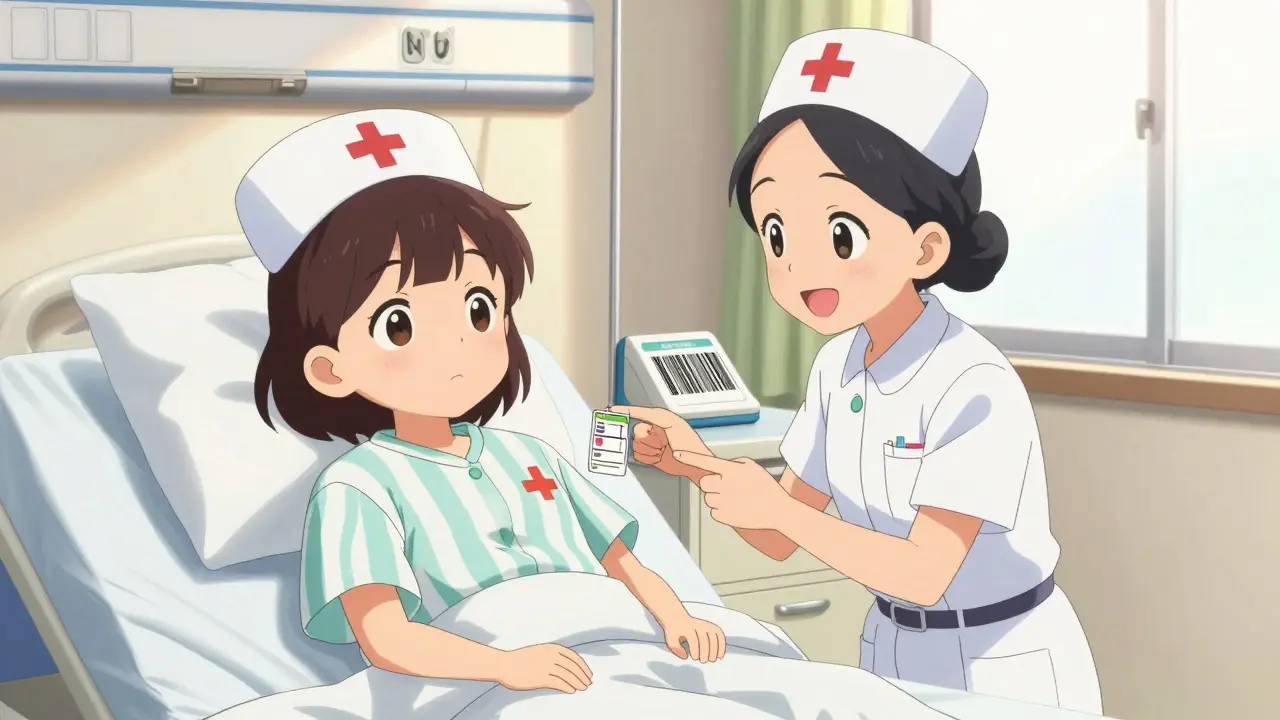
Human memory is fallible, but a barcode doesn't forget. This is why Barcode Medication Administration (BCMA) systems have become the gold standard. The process is simple but effective: the nurse scans the patient's wristband and then scans the medication. If the drug doesn't match the order in the Electronic Health Record (EHR), the system throws a red flag.
We are also seeing a move toward AI-driven detection. By 2025, it's predicted that most large hospitals will use AI to spot potential errors in real-time by analyzing patient vitals against the prescribed dose. For instance, if a patient's kidney function is dropping (indicated by creatinine levels in the EHR), an AI system can alert the pharmacist to lower the dose of a nephrotoxic drug before the order even reaches the nurse.
The Patient's Role: Your Best Defense
Safety isn't just for the staff; the patient is actually the final layer of defense. Many of us just sit back and let the healthcare provider do their thing, but being an active participant saves lives. The "Right Patient Check" is a great example. When a nurse asks for your name and birth date and checks your wristband, they aren't just being tedious-they are preventing a wrong-patient error.
If you or a loved one are in a clinic or hospital, ask these three questions:
- "What is this medication for, and why am I taking it?" (This ensures the provider knows the intent).
- "Is this the same dose I was taking at home?" (This catches medication reconciliation errors).
- "Can you show me the label to confirm the name of the drug?" (This helps catch look-alike/sound-alike errors).
Interestingly, hospitals that integrate patient feedback into their safety protocols have seen a 32% improvement in error detection. When patients feel empowered to speak up about a pill that "looks different" than the one they took this morning, they often catch a pharmacy error that bypassed several electronic checks.
Challenges and the Road Ahead
It's not all smooth sailing. Implementing these systems takes time-usually 12 to 18 months for a full rollout. Many smaller community hospitals struggle because these technologies are expensive. While academic medical centers have high adoption rates, smaller clinics often lack the budget for high-end EHR modifications.
There is also "alert fatigue." When a computer screen pops up a warning for every single minor interaction, clinicians start clicking "Ignore" instinctively. This is where the danger lies. The goal for the next few years is to move away from generic warnings and toward "smart alerts" that only fire when the risk is genuinely critical.
We are also seeing a shift toward outpatient safety. Most of our focus has been on the ICU and surgical wards, but reported errors in ambulatory clinics have risen significantly. The next step is taking these "hard stop" and barcode systems out of the hospital and into the neighborhood clinic to ensure the safety chain doesn't break once a patient is discharged.
What is the difference between a medication error and an adverse drug event?
A medication error is a preventable event that could cause inappropriate use or patient harm, such as giving the wrong dose. An adverse drug event is the actual harm that results from a medication, which could be caused by an error or it could be an unavoidable side effect of the drug itself, even when given correctly.
Why are some medications labeled as "high-alert"?
High-alert medications are drugs that bear a heightened risk of causing significant patient harm when they are used in error. While errors can occur with all drugs, errors with high-alert medications (like insulin or anticoagulants) are more likely to be fatal or cause permanent disability.
How does barcode scanning actually prevent errors?
Barcode Medication Administration (BCMA) works by matching the patient's unique ID (wristband) with the medication's unique ID (barcode on the package) and the provider's ID. If any of these three don't align with the doctor's order in the electronic health record, the system blocks the administration.
What should I do if I think a medication error has occurred?
Immediately alert the nursing staff or physician. Be specific about why you are concerned (e.g., "This pill is blue, but my usual dose is white"). Do not hesitate to ask for a second verification or for the pharmacist to review the order before the medication is administered.
Are medication safety protocols the same in clinics as they are in hospitals?
Not always. Hospitals usually have more robust, integrated systems like BCMA and 24/7 pharmacy oversight. Ambulatory clinics are currently in a transition phase to adopt similar high-level protections, but they often rely more on manual reconciliation and patient interviews.
Comments (11)
Randall Barker
April 19, 2026 AT 11:24
The absolute failure here isn't just the decimal point, it's the moral bankruptcy of a system that prioritizes efficiency over the sacredness of human life.
We pretend these are 'slips,' but in reality, they are systemic assaults on the patient's dignity. If you aren't outraged by the fact that 'alert fatigue' is even a thing, you're part of the problem. It's a philosophical tragedy when the tools meant to save us become the very noise that blinds the healer. We have traded wisdom for checklists and wonder why the soul of medicine is dying while the machines keep humming along in their sterile, uncaring indifference.
Tama Weinman
April 21, 2026 AT 08:29
Sure, 'AI-driven detection' sounds great on paper, but who's actually writing the code for these algorithms? Just think about who benefits when a patient's dosage is 'automatically' adjusted by a black box that no doctor actually understands. It's the perfect cover for big pharma to nudge dosages up or down without any one person taking the blame. Just a little bit of 'optimization' here and there, and suddenly the system is controlling the patient entirely. It's a classic move to centralize control under the guise of safety.
Dana Chichirita Nicoleta
April 23, 2026 AT 01:12
It is truly heart-wrenching to think about those who have suffered, yet I am absolutely overflowing with hope seeing the incredible strides we are making toward a future where no one has to fear a simple pharmacy error! The dedication of the ISMP to shift the culture from blame to systemic improvement is nothing short of a miracle, and it fills me with such profound joy to know that the safety nets are becoming stronger every single day. I truly believe that if we continue to support our hardworking nurses and doctors with these marvelous technological advancements, we will eventually reach a golden age of medicine where every single patient is cherished and kept perfectly safe through the combined power of human compassion and scientific brilliance!
Sophia Rice
April 24, 2026 AT 14:58
so glad there are tips for patients!! i always get nervous at the clinic and forget to ask stuff. thnx for sharing this info ❤️
Autumn Bridwell
April 26, 2026 AT 04:53
OMG this is exactly why I can't trust any doctor! I had a cousin whose aunt almost died because of a 'look-alike' drug and honestly, the way the staff acted was just traumatizing. I still dream about the look on the nurse's face when she realized she messed up! It's just so visceral and terrifying that we are basically guinea pigs in these clinics. I can't even look at a pill bottle now without shaking!
Adele Shaw
April 26, 2026 AT 22:08
Typical. We have the best tech in the world right here in the US but we still have "community hospitals" struggling to afford basic safety. It's an embarrassment to the strongest nation on earth that a patient's survival depends on whether their local clinic has a budget for a barcode scanner. Pathetic.
Cheryl C
April 27, 2026 AT 12:56
usa healthcare is the best tho 🇺🇸🇺🇸 just gotta speak up!! my nurse always checks my band and she's a total pro 💊💪
Theresa Griffin MEP
April 29, 2026 AT 06:05
Patient empowerment is essential. Accurate communication saves lives.
Kim Hyunsoo
April 30, 2026 AT 12:47
the idea of 'alert fatigue' is such a glitchy concept in a high-stakes environment 😵 a colorful cocktail of warnings that eventually just become background noise... so surreal 🌀
Richard Moore
May 2, 2026 AT 01:55
Spot on about the barcode systems! 🎯 I've seen a few close calls that were stopped solely because the scanner beeped red. It's a lifesaver for sure! 🚀
Rob Schlautman
May 2, 2026 AT 11:49
honestly this whole focus on 'systems' is just a way to let lazy staff off the hook because at the end of the day a human is still holding the needle and if they can't be bothered to read a label then no amount of software is gonna fix the lack of basic competence in some of these wards which is just sad really considering the pay these days