Steroid Bone Risk Calculator
Enter Your Treatment Details
Your Assessment
Prednisone Equivalent: mg/day
Estimated Fracture Risk Increase:
Enter your details to see your personalized bone health risk assessment.
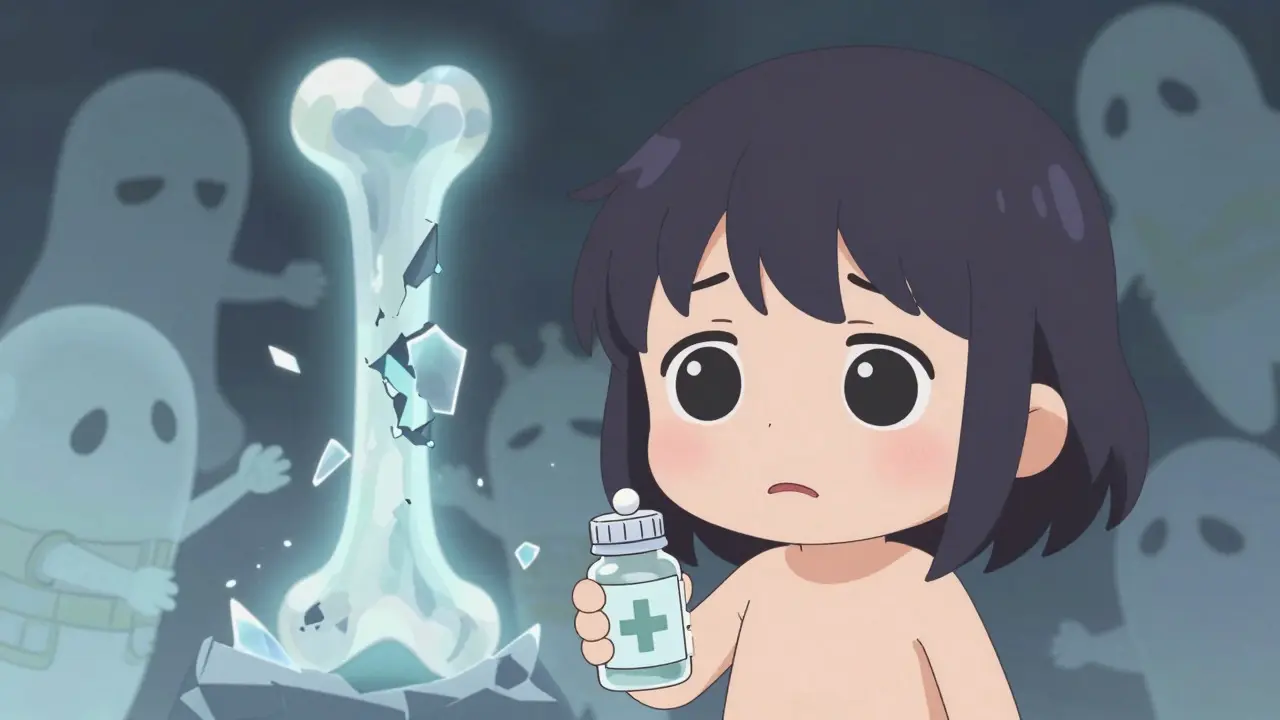
There is a quiet crisis happening in clinics and living rooms around the world. Millions of people take corticosteroids like prednisone to manage serious conditions such as asthma, rheumatoid arthritis, or lupus. These drugs are lifesavers, reducing inflammation and saving joints and lungs from destruction. But they come with a hidden price tag that many patients don't see until it is too late: their bones are silently crumbling.
This condition, known as Glucocorticoid-Induced Osteoporosis (GIOP), is not just a minor side effect. It is the most common form of secondary osteoporosis. The scary part? Bone loss happens fast. You can lose up to 15% of your bone mineral density in the very first year of treatment. That is not a slow decline over decades; it is a rapid erosion that leaves you vulnerable to fractures within months, not years.
Why Steroids Attack Your Bones
To prevent this damage, you need to understand how it works. Corticosteroids do not just suppress your immune system; they fundamentally change how your skeleton behaves. Think of your bones as a construction site. You have builders called osteoblasts who lay down new bone, and demolition crews called osteoclasts who break down old bone. In a healthy body, these two teams work in balance.
When you introduce long-term steroids into the mix, they pull the plug on the builders. They inhibit osteoblast function and actually cause them to die off through a process called apoptosis. At the same time, steroids keep the demolition crew working overtime by increasing the survival of osteoclasts. The result? More bone is being broken down than built up.
It gets worse. Steroids also mess with your gut and kidneys. They reduce the amount of calcium your intestines absorb by about 30% and stop your kidneys from reabsorbing calcium back into your blood. This double whammy means less raw material is available for bone repair. According to data from the Frontiers in Endocrinology, this leads to a sharp drop in bone density, especially in the lumbar spine where trabecular bone is most sensitive to these changes.
The Critical Window: First Six Months
If there is one thing every patient needs to know, it is timing. Dr. Mary Bouxsein, an expert at Harvard Medical School, points out that the "window of opportunity" for prevention is the first three to six months of therapy. Why? Because bone loss is most aggressive right at the start. Studies show that fracture risk jumps by 70-100% during this initial period.
You might think, "I only take a small dose." But even low doses matter. The Royal Osteoporosis Society defines high-risk patients as those taking 2.5 mg of prednisone daily for three months or more. At this level, your fracture risk doubles if you go up to 7.5 mg daily. Each extra milligram of prednisone correlates with a measurable annual decrease in bone density. So, whether you are on a tiny maintenance dose or a heavy treatment load, your bones are under attack from day one.
Foundation Strategies: Lifestyle and Nutrition
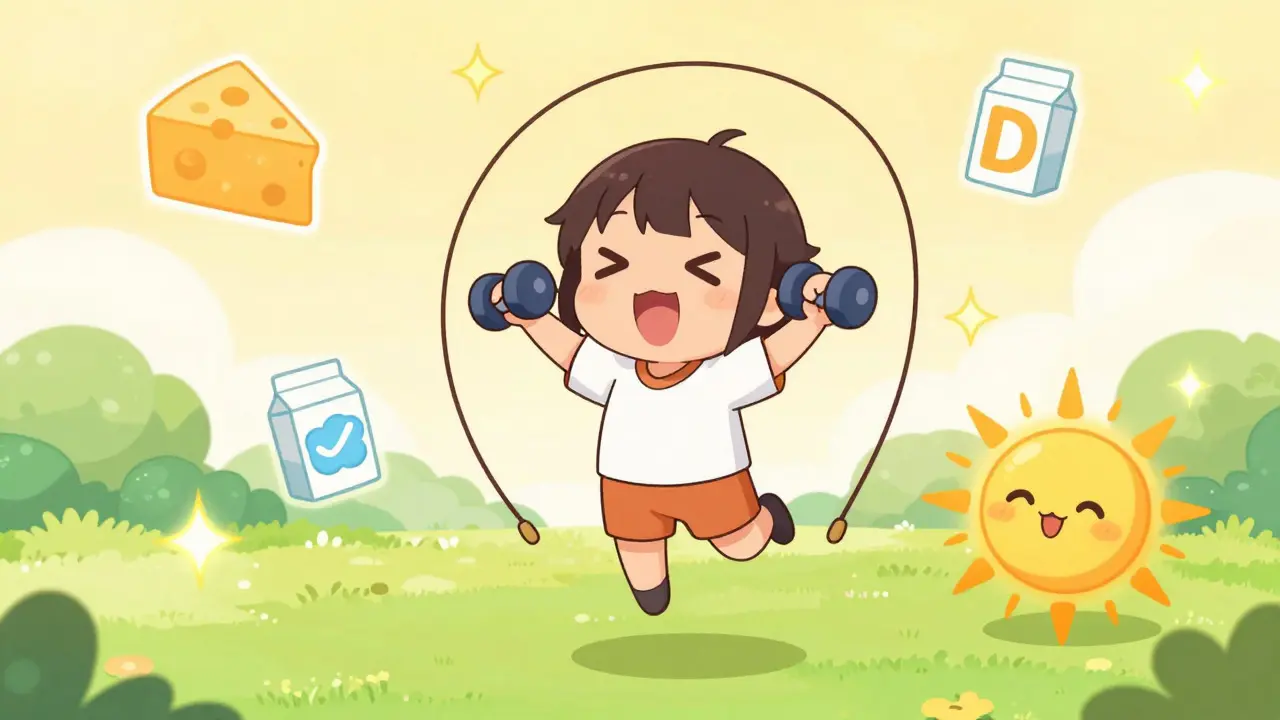
Before jumping to strong medications, we must build the foundation. The American College of Rheumatology (ACR) and other major bodies agree that non-pharmacological steps are mandatory for everyone on steroids.
- Calcium Intake: Aim for 1,000 to 1,200 mg per day. Try to get this from food first-dairy, leafy greens, fortified plant milks. If you cannot hit that number through diet alone, use supplements. Remember, since steroids block absorption, you might need slightly more than someone not on medication.
- Vitamin D: This is the key that unlocks calcium absorption. Target 600-800 IU daily, but many experts suggest 800-1,000 IU to ensure your serum levels stay above 20 ng/mL. Without enough Vitamin D, all that calcium just passes through you.
- Weight-Bearing Exercise: Your bones need stress to grow. Walking, jogging, or resistance training signals your body to strengthen bone structure. However, be aware that steroids blunt this response by about 25%. You may need to exercise harder or more consistently than before to get the same benefit.
- Stop Smoking: Smoking independently reduces fracture risk by 25-30%. Combined with steroids, it is a recipe for disaster. Quitting is one of the highest-impact things you can do.
- Limit Alcohol: Keep it under 3 units per day. Excess alcohol interferes with calcium balance and increases fall risk.
Research shows that combining calcium (1,000 mg) and Vitamin D (500 IU) prevents lumbar spine bone loss significantly better than placebo. It stops the bleeding, but it rarely builds bone back up on its own. For many, this is just the starting line.
Medication Options When Lifestyle Isn't Enough
If your risk is moderate to high, lifestyle changes alone won't cut it. You need pharmacological intervention. The good news is we have powerful tools.
| Drug Class | Example Drug | Mechanism | Key Benefit |
|---|---|---|---|
| Bisphosphonates | Risedronate, Alendronate | Inhibits osteoclasts (demolition crew) | Reduces vertebral fracture risk by 70% |
| IV Bisphosphonate | Zoledronic Acid | Stronger inhibition via IV route | Annual infusion; increases BMD by 4.5% |
| RANK Ligand Inhibitor | Denosumab | Blocks signal for osteoclast formation | Increases BMD by 7.0%; good for kidney issues |
| Anabolic Agent | Teriparatide | Stimulates osteoblasts (builders) | Best for severe cases; builds new bone |
Bisphosphonates like risedronate are usually the first choice. They are cheap, effective, and well-studied. Risedronate has been shown to slash vertebral fracture risk by 70% in steroid users. If you struggle with pills or stomach issues, Zoledronic Acid offers an annual IV infusion that packs a punch, boosting bone density significantly.
For those with severe osteoporosis (T-score ≤ -2.5) or existing fractures, doctors often turn to Teriparatide. Unlike the others, which mainly stop bone loss, Teriparatide actually builds new bone. It produces gains 2.3 times greater than standard alendronate in high-risk patients. It is expensive and requires daily injections, but for fragile bones, it is a game-changer.
The Gap Between Guidelines and Reality
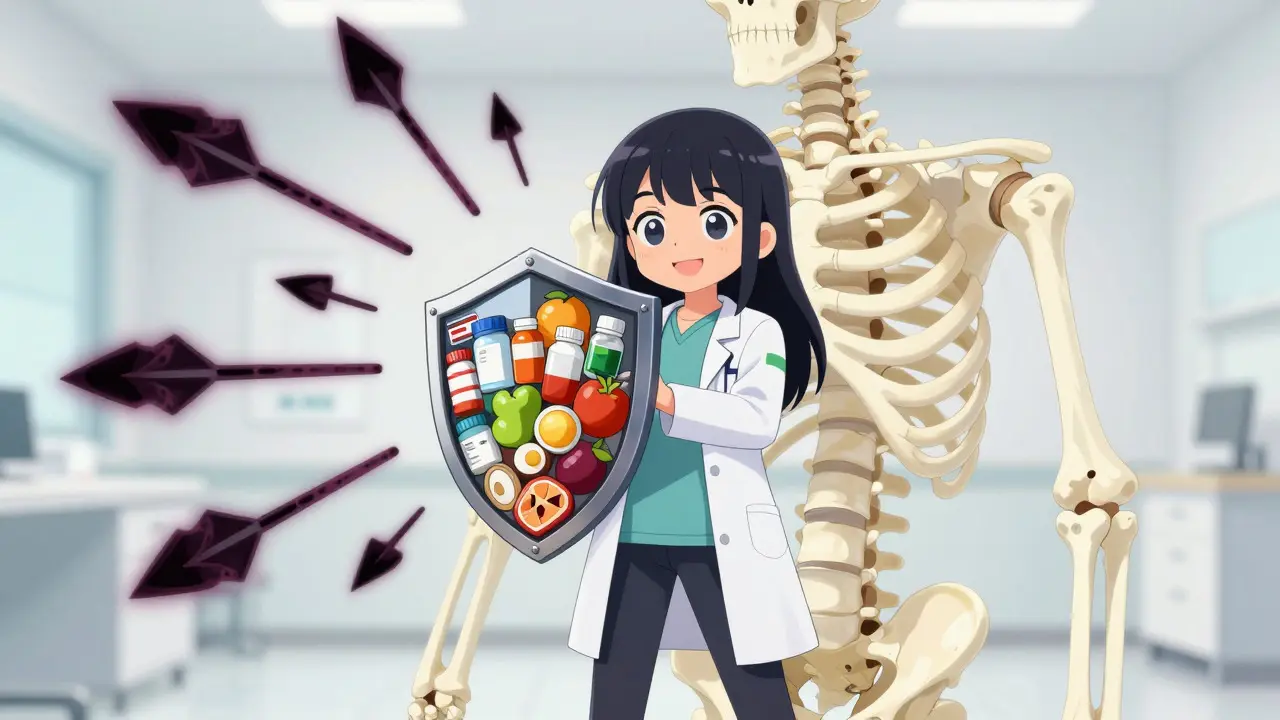
Here is the frustrating truth: despite clear guidelines, care is fragmented. A study in JAMA found that only 62% of patients on long-term steroids received any documented prevention strategy. Even worse, only 31% had bone density testing. There is also a gender gap; women are far more likely to receive preventive care than men, likely because doctors assume men are less at risk. They are wrong.
Why does this happen? Communication breakdowns. Specialists prescribing steroids often forget to flag bone health, and primary care doctors wait for referrals that never come. Plus, many patients believe osteoporosis is an inevitable side effect of steroids and accept it passively. Don't be passive. Ask for a baseline DEXA scan when you start treatment. Repeat it every 1-2 years. With proper intervention, you can see bone density improvements of 3-8% within a year.
How to Advocate for Your Bone Health
You are your best advocate. Here is a simple checklist to bring to your next appointment:
- Ask for a Risk Assessment: Request a FRAX score calculation adjusted for your steroid dose. This quantifies your 10-year fracture risk.
- Demand a Baseline Scan: Insist on a DEXA scan of your hip and spine before or immediately after starting long-term steroids.
- Review Your Meds: Discuss whether you qualify for bisphosphonates or other bone-protecting drugs. Do not wait for a fracture to start treatment.
- Check Your Labs: Ensure your Vitamin D levels are tested and optimized.
- Fall Prevention: Ask for advice on home safety to prevent falls, as weak bones + a fall = fracture.
Systems that use electronic alerts to remind doctors about bone protection when prescribing steroids have seen intervention rates jump from 40% to 92%. Until your clinic adopts this, you have to be the alert. By understanding the mechanism, respecting the timeline, and utilizing both lifestyle and medical tools, you can keep your bones strong even while managing complex chronic diseases.
How quickly does steroid-induced osteoporosis develop?
It develops rapidly. You can lose 5-15% of bone mineral density in the first year of treatment. Fracture risk increases by 70-100% within the first 3-6 months of starting therapy.
What dose of prednisone is considered high risk for bone loss?
Taking 2.5 mg of prednisone daily for three months or more places you in the high-risk category. The risk doubles if you take 7.5 mg or more daily.
Is exercise still effective if I am on steroids?
Yes, but it is less effective. Steroids impair the skeletal response to mechanical loading by about 25%. You may need to increase the intensity or duration of weight-bearing exercises to achieve the same bone-strengthening benefits.
Which medication is best for preventing steroid-related fractures?
Bisphosphonates like risedronate are typically first-line due to their efficacy in reducing vertebral fractures by 70%. For severe cases, anabolic agents like teriparatide are recommended as they actively build new bone.
Do men need bone density testing if they take steroids?
Absolutely. While women are more frequently tested, men on long-term steroids are at significant risk. Studies show only 44% of men receive preventive interventions compared to 76% of women, highlighting a critical gap in care.