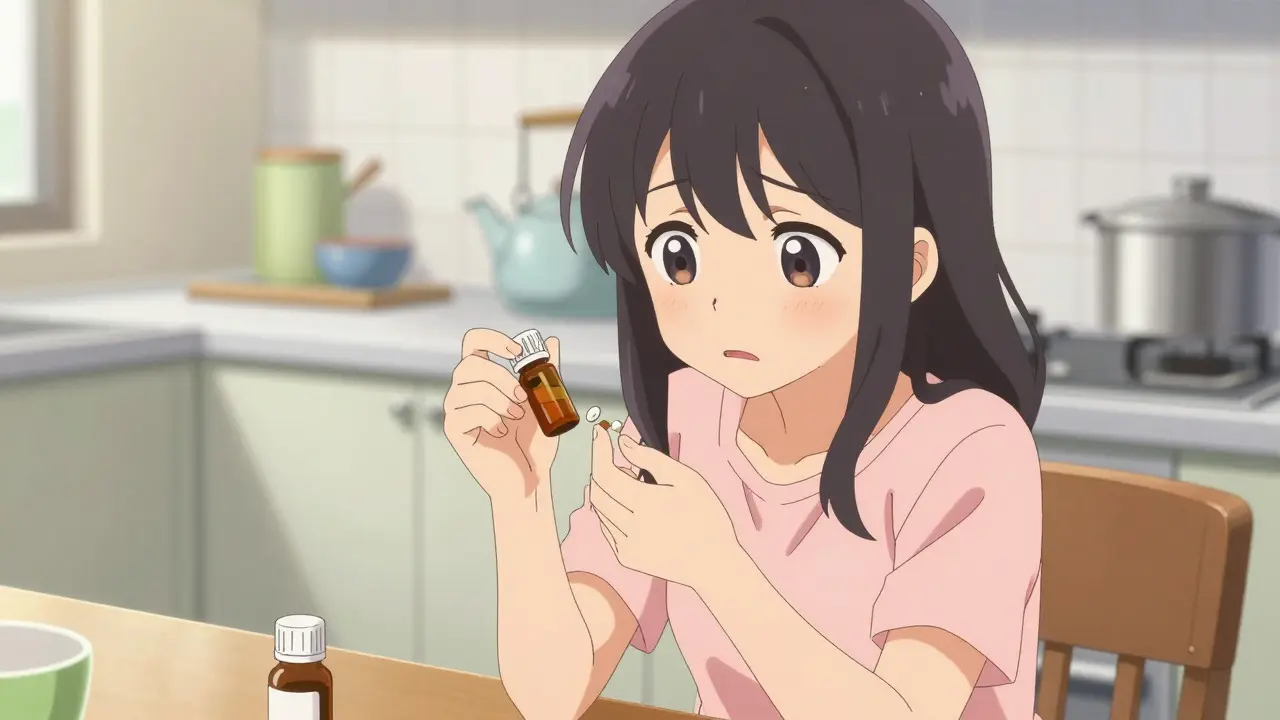
Imagine you just bought a new prescription for your blood pressure or diabetes. You take the first pill, but it looks slightly different than usual-maybe the color is off, or the imprint is blurry. A week later, you feel worse, not better. Is it just a bad day, or are you taking a counterfeit drug that contains nothing but chalk, or worse, harmful toxins? This isn’t a rare horror story. It’s a growing global crisis.
Fake medicines aren't just a problem in distant countries. They are infiltrating online pharmacies and even local supply chains here at home. According to the World Health Organization (WHO), while counterfeit meds make up about 1% of the market in developed nations, they can reach up to 30% in some developing regions. The financial scale is staggering, with INTERPOL estimating $200 billion in global sales back in 2019. But money isn't the only stake; lives are on the line. When you suspect a medication is fake, silence helps the criminals. Reporting it stops them.
Spotting the Red Flags: What Does a Fake Drug Look Like?
Before you call anyone, you need to know what you’re looking at. Counterfeiters are getting smarter, but they often miss small details. If you notice any of these signs, pause before taking another dose.
- Spelling Errors: This sounds silly, but it’s the most common giveaway. The FDA found that 78% of counterfeit packages had incorrect spelling or grammar on the label. Check the manufacturer's name and instructions carefully.
- Missing Lot Numbers: Every legitimate batch of medicine has a lot number printed on the box and the bottle. If it’s missing, or if the code doesn’t match between the two, be suspicious. About 63% of fakes lack proper lot numbering.
- Weird Appearance: Pills should look consistent. If one tablet is chipped, discolored, or has a strange texture compared to others in the same bottle, it’s a red flag. 52% of counterfeits have abnormal color or texture.
- Packaging Issues: Legitimate packaging is sturdy and precise. If the seal is broken, the box feels flimsy, or the printing looks washed out, throw it out. 87% of fakes show packaging inconsistencies.
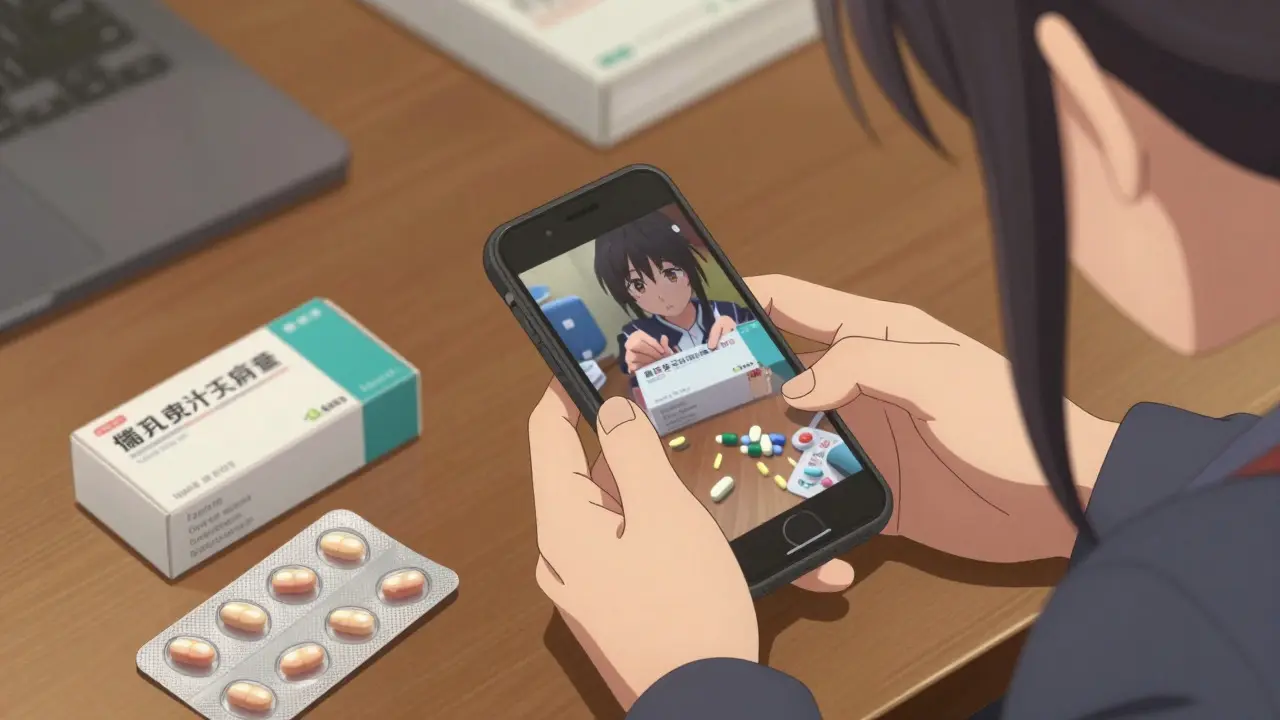
If you spot these issues, don’t panic. Don’t flush the pills down the toilet yet. You need to preserve evidence. Keep the original box, the bottle, and any remaining pills exactly as they are. Take clear photos of the labels, the lot numbers, and the pills themselves. This documentation is crucial for investigators.
Who Do You Call? Navigating the Reporting Channels
Knowing *what* is wrong is half the battle. Knowing *who* to tell is the other half. Many people get confused because there are several agencies involved. Here is how to choose the right one based on your situation.
| Agency/Channel | Best For... | Response Time | Key Requirement |
|---|---|---|---|
| FDA MedWatch | General adverse events & product quality issues | Avg. 72 hours for electronic submissions | Drug name, lot number, NDC, description |
| FDA Office of Criminal Investigations (OCI) | Suspected criminal activity & large-scale fraud | 48 hours for high-priority cases | Detailed evidence, dates, locations |
| Pharmaceutical Manufacturer | Specific brand authenticity checks | Within 24-48 hours | Product-specific details |
| DEA Tip Line | Counterfeit controlled substances (opioids, stimulants) | Varies by case priority | Controlled substance identification |
1. The FDA MedWatch Program
For most consumers, this is your first stop. The U.S. Food and Drug Administration (FDA) runs MedWatch, which is their voluntary reporting system for adverse events and product problems. You can file a report online at www.fda.gov/medwatch using Form 3500. It takes about 22 minutes to complete the electronic form. You’ll need the drug name, strength, lot number, National Drug Code (NDC), and a description of what went wrong. If you experienced health effects, detail those too. The FDA receives about 100,000 reports a year, and they prioritize electronic submissions, acknowledging them within 72 hours in 87% of cases.
2. The FDA Office of Criminal Investigations (OCI)
If you believe you’ve stumbled onto a major operation-like a website selling thousands of fake pills or a local distributor moving suspicious goods-you need law enforcement. The FDA’s OCI handles criminal investigations. They processed over 1,800 counterfeit drug investigations in fiscal year 2022 alone. Submit tips through their dedicated portal at www.fda.gov/oci. Be ready to provide dates, locations, and descriptions of suspects. High-priority tips often trigger field investigations within 48 hours.
3. Contacting the Manufacturer Directly
Big pharma companies hate counterfeits because it hurts their reputation and patients’ health. Companies like Pfizer and Roche have dedicated security teams. Pfizer’s Global Security Operations Center responds within 4 business hours. Roche asks healthcare providers to contact their Product Quality Assurance Department. Calling the number on the side of the box can sometimes get you a quick answer on whether a specific lot was recalled or flagged as suspicious.
4. The DEA for Controlled Substances
If the fake drug is an opioid, Adderall, or Xanax, the Drug Enforcement Administration (DEA) is heavily involved. Their tip submission system at www.dea.gov/submit-tip focuses on Schedule I-V controlled substances. In 2022, 63% of tips led to investigations. Since opioids account for 68% of counterfeit seizures in the U.S., this channel is critical for these specific drugs.
Step-by-Step Guide: How to File a Report Effectively
Don’t just send a vague email saying "this pill looks weird." Investigators need facts to build a case. Follow this protocol to ensure your report gets actioned.
- Document Everything (15 Minutes): Before you do anything else, photograph the package, the label, the lot number, and the pills. Write down where you bought it, when you bought it, and who sold it. If it was online, screenshot the URL and the receipt.
- Preserve Evidence: Keep the physical items in a safe place. Do not alter the packaging. Chain-of-custody matters for criminal cases. If you took the pill, keep the container.
- Seek Medical Help First: If you feel sick, call your doctor or go to the ER immediately. Tell them you suspect a counterfeit drug. Your health comes before the investigation.
- Choose the Right Channel: Use the table above to decide between MedWatch, OCI, or the manufacturer. For general concerns, start with MedWatch.
- Submit the Report: Fill out the forms accurately. Include all the photos and documents you gathered. For MedWatch, the electronic form is fastest.
- Follow Up: If you don’t hear back in 10 business days, call the FDA Drug Information Call Center at 855-543-3784. They can check the status of your report.
Dr. Patrizia Cavazzoni, Director of the FDA’s Center for Drug Evaluation and Research, noted that timely reporting with comprehensive documentation increases investigative success rates by 63%. Your detailed notes make the difference between a closed file and a busted crime ring.
Why Online Pharmacies Are the Biggest Risk
You might think buying from a brick-and-mortar store is safe, but the internet is where counterfeiters thrive. The National Association of Boards of Pharmacy found that 96% of online pharmacies reviewed in 2022 failed to comply with U.S. laws. During INTERPOL’s Operation Pangea XXV in March 2022, authorities took down 113,000 websites and seized 4.3 million fake products across 92 countries. Most of these originated from illicit online shops.
If you buy meds online, check for the VIPPS (Verified Internet Pharmacy Practice Sites) seal. If a site offers prices that seem too good to be true, they probably are. The rise of telehealth has made access easier, but it’s also opened doors for fraudsters. Always verify the pharmacy’s license with your state board.
The Global Picture: International Reporting
Counterfeit drugs don’t respect borders. If you travel frequently or buy from international sources, you might need to use global channels. The WHO’s Global Surveillance and Monitoring System collects reports from 141 countries. As of mid-2023, they had received 1,500 reports, with antimalarials, cardiovascular meds, and antibiotics being the most common targets.
The Pharmaceutical Security Institute (PSI) is another key player. They’ve documented nearly 10,000 incidents since 1991. They offer multilingual support and have a 24/7 reporting email. However, note that PSI often requires verification from a healthcare professional, so layperson reports might face a higher barrier. Still, their AI-assisted verification system now confirms counterfeits in under 5 hours, down from 72 hours previously.
Common Mistakes to Avoid
Based on user experiences and FDA data, here’s what slows down investigations:
- Throwing Away Evidence: Once the box is gone, the trail goes cold. Keep it until told otherwise.
- Vague Descriptions: Saying "it didn’t work" isn’t enough. Describe the physical differences and any symptoms.
- Contacting the Wrong Agency: Don’t call the police for a minor packaging issue; use MedWatch. Don’t use MedWatch for a massive seizure of heroin analogs; use the DEA or OCI.
- Ignoring Recall Notices: Sometimes a "fake" is actually a recalled batch due to contamination. Check the FDA recall page regularly.
Remember, you are part of the defense. Every report helps map the network of criminals. In 2022, increased reporting directly correlated with the FDA intercepting 1.2 million additional counterfeit pills at ports of entry. Your voice matters.
What Happens After You Report?
It’s natural to wonder if your report made a difference. Here’s the typical flow:
Once submitted, the agency logs your report. For MedWatch, you’ll get an acknowledgment email within a few days. An analyst reviews the data. If multiple reports come in for the same lot number, it triggers a broader investigation. The FDA may then coordinate with the manufacturer to pull the product from shelves. If criminal intent is suspected, the OCI steps in. They might interview you for more details. In successful cases, this leads to arrests, convictions, and shutdowns of illegal operations. In FY 2022, the FDA secured 187 criminal convictions related to counterfeit drugs.
While you might not see a news headline about your specific report, your contribution adds to the data pool that protects millions. As Dr. Roger Bate’s research showed, integrated reporting systems reduce counterfeit circulation by nearly 40% within two years. You are helping build that system.
How long does it take for the FDA to respond to a counterfeit drug report?
For electronic submissions via MedWatch, the FDA aims to acknowledge reports within 72 hours. Paper forms take longer, averaging 14 days. If you report through the Office of Criminal Investigations (OCI) for high-priority cases, field investigations can begin within 48 hours.
Can I report a counterfeit drug anonymously?
Yes, you can submit reports anonymously through the FDA MedWatch portal and the DEA tip line. However, providing contact information allows investigators to follow up for crucial details, which significantly increases the chance of a successful resolution.
What information do I need to include in my report?
Include the drug name, strength, lot number, National Drug Code (NDC), a physical description of the product and packaging, where and when you purchased it, and any adverse health effects experienced. Photos of the packaging and pills are highly recommended.
Should I contact the drug manufacturer or the FDA first?
If you suspect a specific brand is fake, contacting the manufacturer directly can yield a quick authenticity check. However, for regulatory action and broader public safety alerts, filing a report with the FDA MedWatch program is essential. Doing both is often the best approach.
Are online pharmacies safe for buying prescription drugs?
Many are not. Studies show that 96% of online pharmacies reviewed in 2022 failed to comply with U.S. standards. Always look for the VIPPS seal and verify the pharmacy’s license with your state board of pharmacy before purchasing.
Comments (10)
Morikeoluwa Ayodeji
August 11, 2026 AT 14:50
Hey everyone, this is super important stuff especially for folks back home in Nigeria where fake meds are a huge issue. We see it all the time with malaria drugs and antibiotics. The tip about checking the lot number is gold because that's usually the first thing they mess up when rushing production. Keep those boxes people! Don't toss them out until you're sure.
Dennis Leeftink
August 13, 2026 AT 02:11
You guys really think reading a label stops criminals? It's pathetic. These guys are sophisticated. They print perfect labels. You need to send every pill to a lab for mass spectrometry if you want to be safe. Most of you are just paranoid about nothing but here we are pretending chalk pills are everywhere. Stop wasting government resources with your silly reports unless you have actual proof not just 'it looks weird'.
Traci Bobbitt
August 14, 2026 AT 07:17
I mean I get what he's saying but come on Dennis. Not everyone has access to a lab. The spelling errors point is actually pretty solid. I bought some generic ibuprofen once and the instructions had like three grammar mistakes in one sentence. Who makes medicine with bad grammar? Definitely not Pfizer. I threw it out immediately. Better safe than sorry right?
Michelle Alavaski
August 15, 2026 AT 13:17
The entire pharmaceutical industry is built on deception. The FDA is a puppet of Big Pharma. When you report a counterfeit drug you are essentially helping the corporation maintain its monopoly by removing 'competitors' who might be selling cheaper alternatives. The real counterfeits are the patented drugs themselves which are often little more than expensive sugar pills designed to keep you dependent. Wake up sheeple. The WHO data is manipulated to suit their agenda.
Veronica Agbanyim
August 16, 2026 AT 09:38
It is morally reprehensible that anyone would risk another person's life for profit. Whether it is a small-time dealer or a big corporation the act of poisoning people is evil. We have a duty as citizens to protect our neighbors. If you see something wrong say something. Do not let greed win over human health. This article provides a clear path for justice and we should all take advantage of it to cleanse our society of these parasites.
Sansaray Jones
August 18, 2026 AT 01:52
i just check my bottles every now and then. seems fine so far. good info though
jackie healey
August 18, 2026 AT 02:37
Oh my goodness, this is such a crucial topic!! I always tell my patients to double-check everything!!! Please remember that the VIPPS seal is your best friend online!!! Also, do not forget to save your receipts!!! It helps so much with the investigation process!!! Let us stay vigilant and look out for each other!!!
Fenton Quinn
August 18, 2026 AT 12:49
The definition of safety shifts based on trust. We trust institutions to verify truth. When that trust breaks down individual verification becomes necessary. A logical step.
Lilith Stepanyan
August 19, 2026 AT 08:40
Let's break this down logically. The statistical probability of encountering a counterfeit in a developed nation is low. However the cost of being wrong is infinite. Death. Therefore the rational actor must assume guilt until proven innocent. The packaging analysis mentioned in the post is the most efficient heuristic for laypeople. Spelling errors indicate a lack of quality control which correlates with active ingredient omission. It is not paranoia it is basic risk management. People ignore this at their own peril.
Anna Salamon
August 19, 2026 AT 23:38
In many cultures asking questions about medication is seen as disrespectful to the doctor or pharmacist. This guide helps bridge that gap by giving objective criteria to check. It empowers patients without causing conflict. Very useful resource for international travelers too since standards vary wildly across borders.