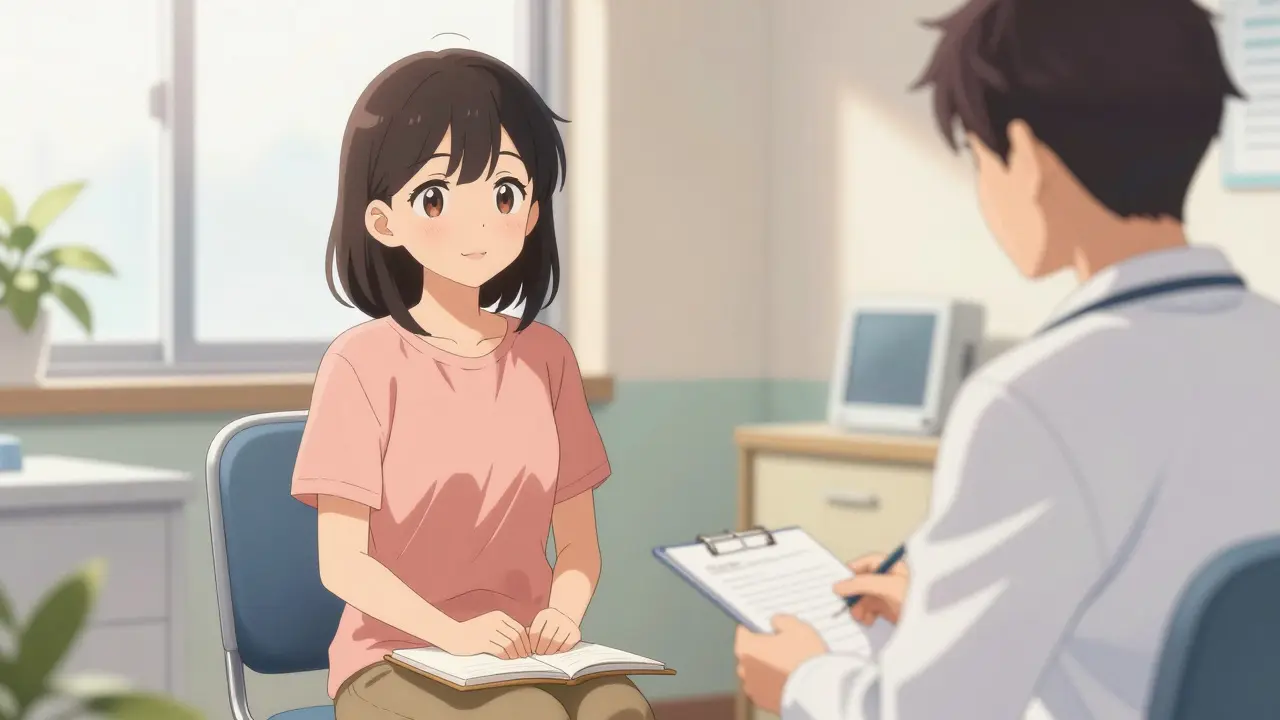
Why You Should Ask About Generics Before Your Prescription is Written
You walk out of the doctor's office with a new prescription, only to find out at the pharmacy counter that the brand-name drug will cost you almost seven hundred dollars. It is a moment of shock that happens too often in modern healthcare. Most people do not realize that generic medications are a viable, safe, and often superior financial option for managing their health. According to recent FDA data, these versions account for ninety percent of all prescriptions dispensed in the United States, yet they make up less than a quarter of total spending. When you ignore this resource, you might be overpaying significantly without gaining any extra medical benefit.
Starting the conversation about generics can feel daunting. Many patients worry that 'cheap' means 'less effective.' However, the science tells a different story. To advocate for your health budget effectively, you need to understand exactly what is in the bottle and why doctors sometimes hesitate to switch automatically. Let's look at the facts that empower you to have a productive discussion with your healthcare team.
The Science Behind the Savings
To have confidence when you ask your doctor, you need to grasp the fundamental difference between a name-brand pill and its generic version. The core component of any medicine is the Active Pharmaceutical Ingredient (API), which is the chemical substance responsible for the therapeutic effect. A generic drug must contain the exact same API as the brand-name original. If the formula changes even slightly in potency or delivery speed, the Food and Drug Administration will not approve it.
This approval process involves proving bioequivalence. Manufacturers must show that the generic reaches the bloodstream at the same speed and strength as the original. The margin for error is tight-specifically within an eighty to one hundred twenty-five percent confidence interval for peak concentration. This standard ensures that your body receives the medication consistently. Because the manufacturer does not need to repeat the expensive initial discovery and clinical testing phases, they can sell the drug for roughly eighty to eighty-five percent less than the brand version.
| Feature | Brand-Name Drug | Generic Drug |
|---|---|---|
| Average Cost (Retail) | $674.89 per script | $15.78 per script |
| Regulatory Standards | New Drug Application | Abbreviated New Drug Application |
| Active Ingredient | Original Formula | Identical Chemical Match |
| Patient Perception | Trusted by default | Often viewed with skepticism |
Despite the numbers, hesitation remains common. A 2022 analysis revealed that sixty-eight percent of surveyed patients believe the 'cheaper is inferior' heuristic applies to medicine. Another fifty-two percent distrust manufacturing quality, especially regarding overseas facilities. While these fears are valid emotions, the inspection data paints a different picture. The FDA mandates that generic facilities meet the exact same Current Good Manufacturing Practices (cGMP) standards as brand-name companies. In fiscal year 2023, over ninety-eight percent of generic facilities passed FDA inspections without major issues.
Understanding Inactive Ingredients and Side Effects
One of the most frequent sticking points in patient education involves the non-medical components of a pill. While the active ingredient must match, manufacturers are allowed to use different fillers, binders, and coloring agents. These are called inactive ingredients. Some patients notice differences in color, shape, or taste when switching from a brand-name to a generic. Rarely, a person might have an allergy to a specific dye found in a generic version but not the original.
It is crucial to distinguish between real allergic reactions and the 'nocebo effect.' The latter occurs when a patient believes the drug won't work because it looks different, leading them to perceive negative side effects or lack of efficacy where none exist. Research indicates that this perception contributes to billions of dollars in avoidable healthcare costs annually due to non-adherence. If you have a known sensitivity to dyes or preservatives like lactose, you should mention this during your consultation so your provider can select a compatible formulation.

Preparing for the Appointment: What to Bring
Walking into a clinic feeling unprepared puts you at a disadvantage when discussing medication costs. Doctors are busy, and their prescribing habits are often shaped by familiarity rather than price awareness. To shift the dynamic, come ready with facts that respect their expertise while highlighting your financial reality.
Before you go, gather your current medication bottles and check your insurance plan's formulary. Many insurance plans now offer zero-dollar co-pays for preferred generics, a policy driven by laws like the Inflation Reduction Act that aims to expand access to affordable care by 2025. Write down three specific questions regarding the options available for your condition. If you are currently taking a brand-name drug, note the specific side effects you experience. This prepares you to discuss whether a generic alternative would reduce those issues or simply lower your bill.
Scripts for Starting the Conversation
Communicating effectively requires a structured approach to ensure both parties understand the goal. The FDA recommends a technique called 'Ask-Tell-Ask,' which works perfectly for navigating complex conversations about generics.
First, ask your doctor what they know. Try saying, 'Are there generic alternatives available for this diagnosis?' This signals that you are informed and open to solutions without challenging their authority. Second, tell them your situation. Explain, 'I'm concerned about the long-term cost of this prescription,' or 'My insurance covers generics much better.' Finally, ask again to verify understanding. You can phrase this as, 'If we switch to the generic, will you monitor my levels differently?' This confirms that a safety plan is in place.
Using the 'teach-back' method helps as well. After the doctor explains the difference, summarize it back to them. Say something like, 'So the generic has the same active ingredient, but maybe a different color, correct?' This small act of communication has been shown to increase medication adherence by nineteen percent, according to studies published in NEJM. It solidifies your confidence that the switch is safe and intentional.
Navigating Exceptions and Narrow Therapeutic Indices
While generics are generally the gold standard for value, there are rare instances where caution is warranted. Certain drugs, such as thyroid hormone replacements like levothyroxine, fall into a category called 'narrow therapeutic index.' For these medications, tiny variations in absorption can impact treatment success. Even though the FDA requires stricter bioequivalence standards for these products, some specialists prefer brand consistency.
If you are on blood thinners, anti-seizure medications, or immunosuppressants, ask specifically about consistency. You can request that the pharmacist always fills your prescription with the same generic manufacturer to avoid minor batch-to-batch variation. However, for the vast majority of conditions-including heartburn, high cholesterol, and hypertension-this level of vigilance is unnecessary. A 2020 study analyzing forty-seven clinical trials found no clinically meaningful difference in efficacy between brand and generic cardiovascular drugs.
Overcoming the Nocebo Effect and Stigma
Social stigma plays a bigger role than many realize. Many patients feel judged when they refuse a free generic option in favor of an expensive brand-name they think works 'better.' Or conversely, they feel pressured to take generics when they had worked well on a specific brand before. Understanding that generic substitution saves the healthcare system nearly two trillion dollars annually reframes this choice. By choosing a generic, you are participating in a broader economic stability that lowers prices for everyone.
If you decide against switching to a generic after trying it, document why. Did you feel dizzy? Did the pain return? Feedback is vital. If you experienced adverse reactions, report them to your provider. This data helps refine future prescribing decisions and improves the collective understanding of specific formulations.
Practical Checklist for Your Next Visit
- Check your insurance coverage for generic tiers.
- Download your current medication history app or paper list.
- Write down 'Cost' as a priority alongside 'Efficacy.'
- Ask: 'Is there a generic equivalent for this prescription?'
- Verify: 'Will this change my insurance copay?'
- Confirm: 'Are there any known inactive ingredient allergies I should watch?'
By entering your appointment with these questions, you move from a passive recipient of care to an active partner. This shift does not just save money; it often improves health outcomes by increasing your comfort with your regimen. When you are paying less for the exact same chemistry, you are more likely to keep the medicine in your cabinet and take it consistently. Adherence rates jump significantly when financial barriers vanish.
Are generic medications exactly the same as brand names?
They contain the exact same active ingredient, dosage, and route of administration. The only differences allowed are in inactive ingredients like fillers, colors, or flavors, which usually do not affect effectiveness.
Can I refuse a generic substitute if prescribed?
Yes, you have the right to refuse, but you may be charged a higher copay or full retail price depending on your insurance. You can also request a specific brand if you have had tolerance issues with previous generic batches.
Do generics get tested for safety?
Absolutely. The FDA reviews generic applications (ANDA) to prove bioequivalence. Facilities must pass the same strict manufacturing standards as brand-name drug companies, including regular inspections.
Why do generics cost so much less than brand names?
Generic companies do not pay for the initial research and development costs of discovering the drug. Once a patent expires, competition drives prices down, typically reducing costs by eighty percent or more.
Is it okay to switch between brands and generics?
For most drugs, yes. However, for narrow therapeutic index drugs, doctors might recommend staying on one consistent product to ensure stable blood levels.
Comments (8)
Sophie Hallam
March 27, 2026 AT 17:10
I really appreciate this breakdown of how generics work because I've always been hesitant to ask about them.
The statistics regarding bioequivalence are incredibly reassuring for someone like me who worries about health safety.
We definitely need more resources like this to empower patients during stressful appointments.
Jeannette Kwiatkowski Kwiatkowski
March 27, 2026 AT 22:20
I mean obviously anyone saving money on meds is good for their bank account.
But let's be real about how many times 'cheap' actually meant low quality in other industries before.
Just wondering if folks have experienced any weird side effects with the fillers sometimes?
Aaron Olney
March 29, 2026 AT 17:23
i read this and my heart stopped beating for a sec because im so scarred of change.
what if the color diffrent changes the chemistry in my brain?? it feels too risky honestly.
my mom died from bad medecine once so i cant trust the pharmercies fully anymore.
Philip Wynkoop
March 30, 2026 AT 13:55
u dont need to stress too much about it dude :)
Poppy Jackson
March 31, 2026 AT 13:21
You are doing so well by learning all of this important information today.
It takes courage to challenge the default prescription choices we get.
I believe we will see great results when you bring up those questions next time.
Rohan Kumar
April 1, 2026 AT 12:35
sure tell me big pharma isn't hiding profits behind the name brands 🙄🧪
the data is likely cooked to make us spend more cash on useless boxes.
trust no one until you verify the lab reports yourself lol 😂
Monique Ball
April 3, 2026 AT 08:37
Honestly, this article really opened my eyes to something I had ignored for years.
We often assume expensive means superior quality when buying our health treatments.
But the regulations show us otherwise quite clearly through strict testing processes.
The FDA checks these products very strictly before they hit store shelves.
I felt much more confident walking into the clinic yesterday with this knowledge.
Preparing questions beforehand changed the dynamic between patient and doctor entirely.
My doctor appreciated that I did my homework first before asking options.
We spent five minutes discussing the formulation differences and safety margins.
It turned out the generic fit my insurance plan perfectly and helped budget.
That saved me nearly three hundred dollars immediately on a single script.
I never realized how much I paid for the brand label alone before.
Active ingredients are the only part that matters truly for therapeutic effect.
Dyes might look different but function stays the same for most systems.
Fear is often the only thing holding us back honestly from savings.
Please try having that conversation with your provider soon regarding costs!
Together we can make healthcare more affordable for everyone in this community.
Sabrina Herciu
April 4, 2026 AT 15:25
Just to clarify further on the technical details; the bioequivalence window is extremely tight.
It requires peak concentration to stay within eighty to one hundred twenty-five percent margins.
This ensures that absorption rates remain consistent regardless of manufacturer origin.
However, narrow therapeutic index drugs require specific monitoring protocols always.
So please consult your specialist regarding consistency if you are on thyroid medication.